

How Altadena’s innovative urban lumber recovery program offers a roadmap for Maryland communities with established infrastructure and environmental leadership
When wildfires tore through California communities, they left behind two devastating realities: families who lost everything, and thousands of fallen trees that became expensive waste. In Altadena alone, the fires destroyed homes and toppled century-old giants—Eucalyptus, Aleppo Pine, Deodar Cedar, and California Sycamore trees that had defined neighborhoods for generations.
Meanwhile, wildfire survivors face a cruel economic reality. Lumber prices have doubled since the pre-pandemic era, driven by tariffs, inflation, and supply chain disruptions. Many families are underinsured, confronting rebuilding costs 30-40% higher than expected. The very trees that once shaded their homes now represent both a disposal problem and a missed opportunity.
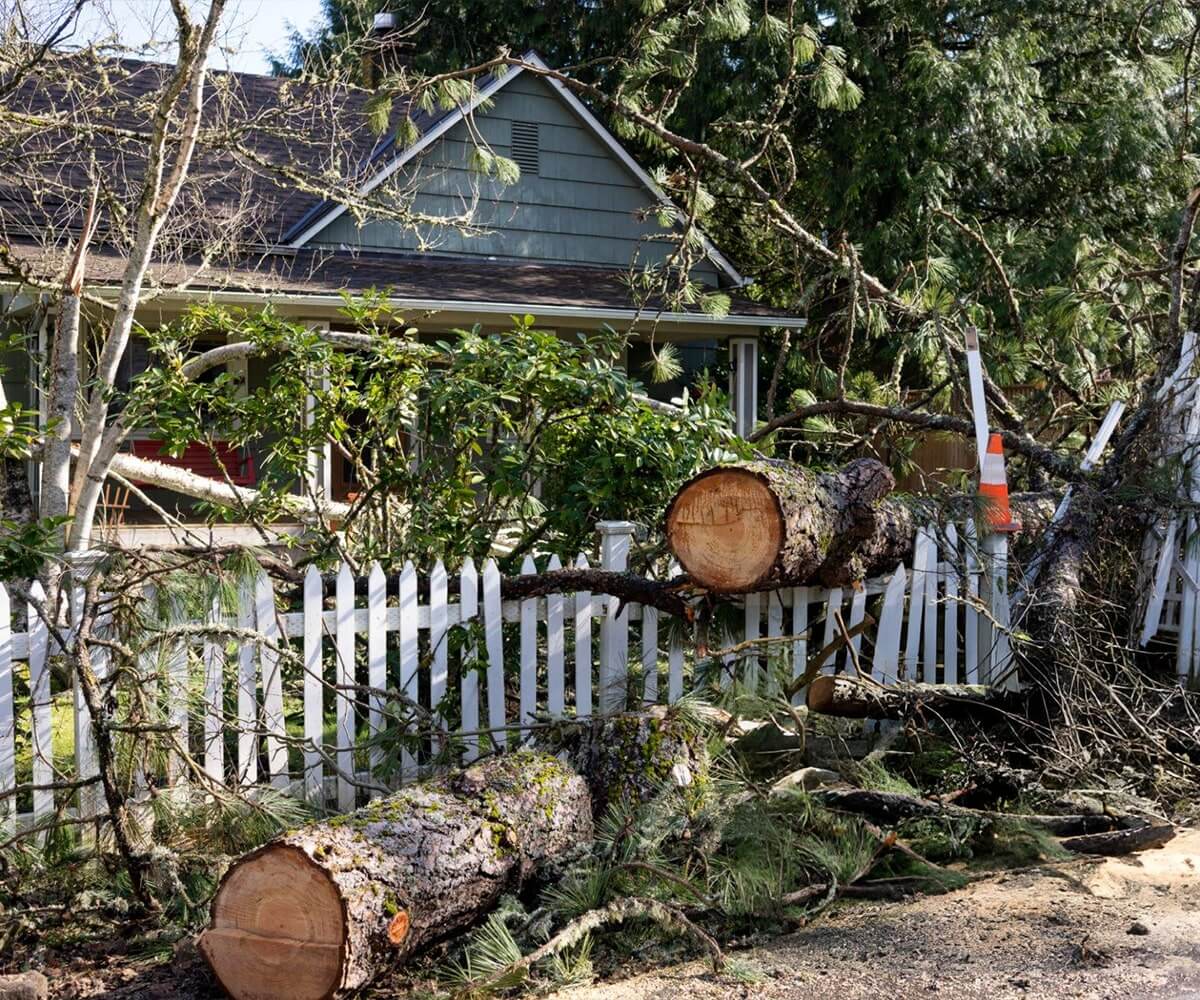
Traditional disaster response compounded the crisis. Fallen trees got chipped into mulch or hauled to landfills at enormous cost—wasting valuable hardwood while survivors struggled to afford basic building materials. Transportation costs skyrocketed as lumber was shipped from distant mills, adding fuel costs and delays to an already traumatic rebuilding process. This is where most disaster recovery fails: by treating local resources as waste instead of recognizing their potential to heal both communities and budgets.
But this story isn’t just about California. As Montgomery County, Maryland faces increasing severe weather events—from derecho storms to hurricane remnants that topple mature oaks and maples throughout communities like Silver Spring, Bethesda, and Rockville—the lessons from Altadena become increasingly relevant. More importantly, Maryland already possesses the infrastructure, expertise, and community commitment needed to implement urban lumber recovery at scale.
The Solution: From Debris to Building Dreams
But what if those fallen trees could become the foundation for rebuilding? What if disaster debris could transform into affordable, meaningful building materials that help families reconstruct not just homes, but their connection to place?
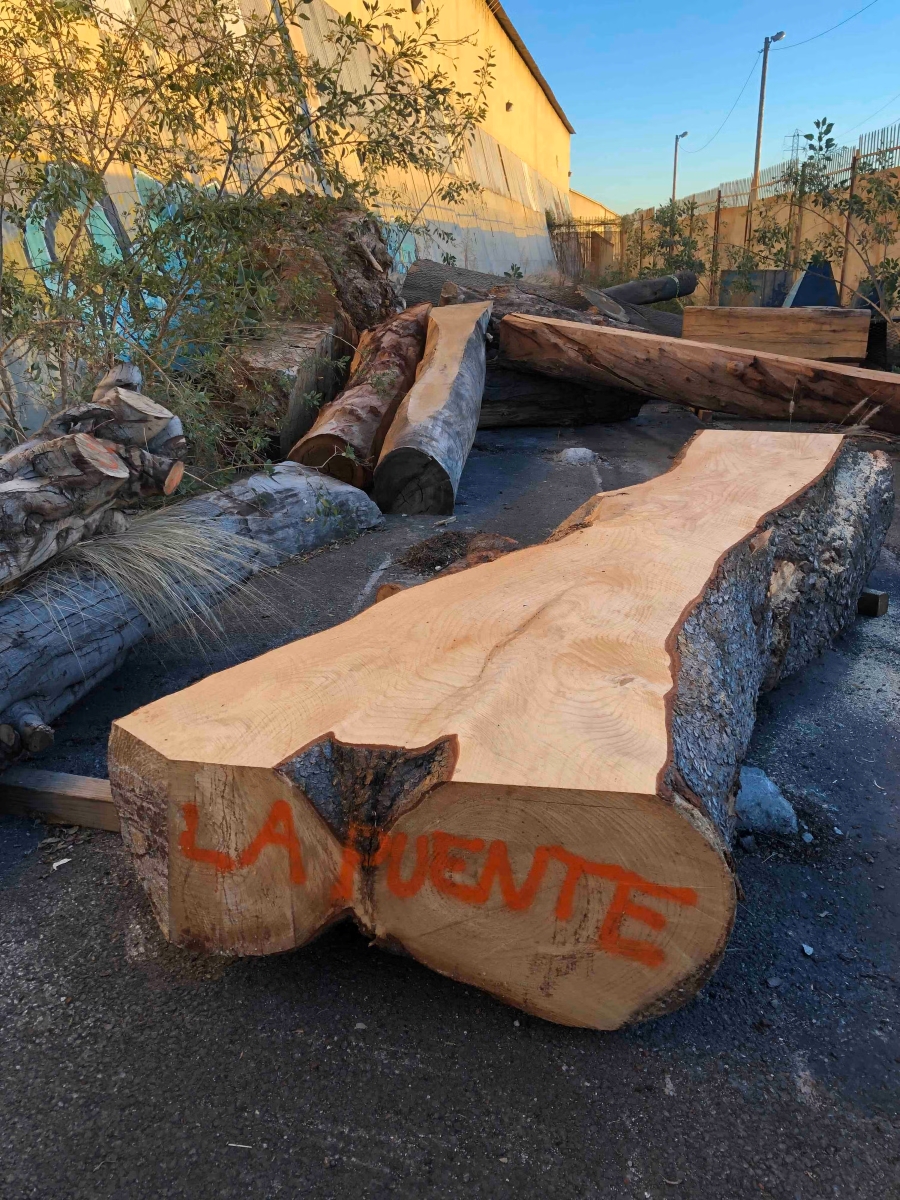
The Altadena Reciprocity Initiative does exactly that. Instead of shipping trees to landfills, we’re milling them into high-quality lumber and returning it to the homeowners who lost their properties. Each plank carries the story of their neighborhood—the same Deodar Cedar that once shaded their driveway now becomes custom cabinetry in their rebuilt kitchen.
This isn’t just wood salvage—it’s a complete reimagining of disaster recovery that addresses multiple crises simultaneously:
Economic Relief for Struggling Families
Locally milled lumber reduces material costs by eliminating freight expenses and providing rebuilding materials at community-accessible prices. For families facing 30-40% cost overruns, this savings can mean the difference between rebuilding and walking away.
Environmental Impact That Matters
The Altadena Reciprocity Initiative process diverts thousands of tons from landfills while reducing the carbon footprint of importing lumber from distant mills. Every tree milled locally prevents transportation emissions and landfill methane production.
Emotional Restoration Through Meaningful Materials
This approach turns grief into meaningful craft, allowing families to retain a tangible connection to what they’ve lost while building toward the future. A dining table made from their neighborhood oak becomes a living memorial to what was, and hope for what will be.
Community Resilience for Future Disasters
An initiative like this creates local jobs in urban forestry and milling while building expertise for future disasters. Communities develop self-reliance instead of depending entirely on external supply chains.
Why Not Maryland?
For Montgomery County, benefits like these align perfectly with the county’s aggressive climate goals and commitment to waste reduction. The county already diverts significant organic waste from landfills—expanding this to include high-value lumber recovery would demonstrate national leadership in circular economy practices.
Maryland’s native hardwoods—particularly the region’s abundant White Oak, Red Oak, Sugar Maple, and Hickory—are actually superior to many species for furniture and interior applications. These species command premium prices in traditional markets, making Montgomery County’s fallen trees potentially more valuable for recovery than their California counterparts.
How Urban Lumber Recovery Works
The process is surprisingly straightforward and scalable:
Tree Assessment and Selection
A team conducts comprehensive tree health assessments to identify viable timber. Hardwoods and dense softwoods that survived significant damage and aren’t structurally compromised are prioritized. Moisture content and the depth of charring or cosmetic damage determine milling feasibility.
Mobile Milling Operations
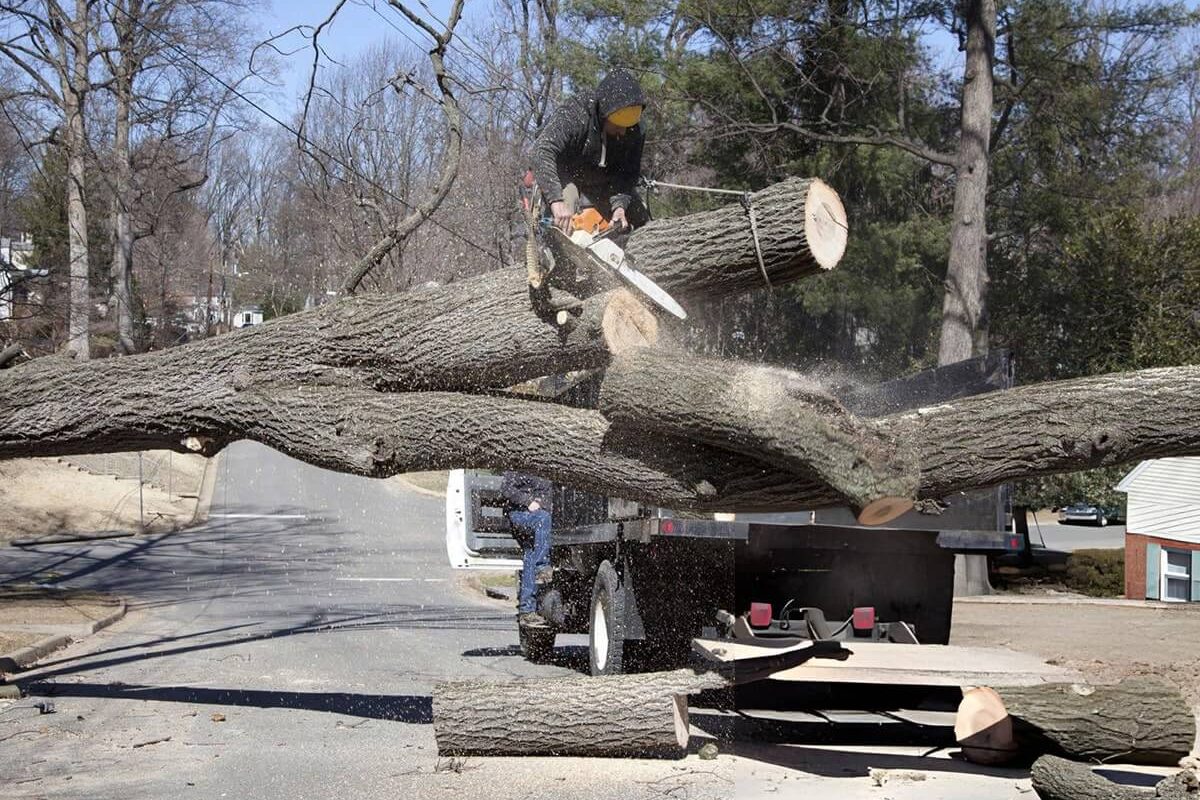
Strategic placement of mobile mills reduces transport costs while enabling on-site processing. This approach minimizes fuel consumption and allows rapid response to disaster areas.
Quality Preparation and Grading
Custom drying and preparation ensure the lumber meets performance standards for interior and select structural applications. Air drying typically takes 12-24 months, aligning with reconstruction timelines.
Community Distribution
Finished lumber returns to affected families at reduced cost, with priority given to those who lost the original trees. Custom products like flooring, furniture, doors, and cabinetry preserve neighborhood character.
Montgomery County: A Case Study in Implementation Readiness
Established Tree Assessment Infrastructure
Montgomery Parks operates an Arboriculture Division staffed with International Society of Arboriculture (ISA) certified and Tree Risk Assessment Qualified (TRAQ) Urban Foresters. This existing expertise in tree assessment and risk evaluation provides the technical foundation needed for post-disaster lumber viability assessment.
Existing Reclaimed Building Materials Network
Maryland already hosts a robust network of organizations focused on salvaged and reclaimed building materials:
- Community Forklift operates as a nonprofit reuse warehouse that collects and redistributes building materials throughout the Washington, D.C. region
- Baltimore Fallen Lumber Company demonstrates an established markets for urban lumber recovery
- Multiple reclaimed wood specialists like ET Moore already serve Montgomery County customers, proving local demand for sustainable building materials
This existing infrastructure could seamlessly integrate urban lumber recovery into established supply chains.
Disaster Response Coordination
Montgomery County’s Office of Emergency Management and Homeland Security (OEMHS) promotes emergency preparedness and resilience throughout the community. The Community Organizations Active in Disaster (COAD) provides a collaborative network that could coordinate lumber recovery efforts with existing disaster response protocols.
Financial Resources and Environmental Commitment
The county demonstrates substantial investment in tree-related initiatives:
- The Forest Conservation Fund receives developer contributions for reforestation projects
- County programs recognize that each maintained tree saves $150-$250 in energy costs annually
- Reforest Montgomery has planted over 12,000 trees and reforested 90 acres
- The county operates comprehensive tree protection laws and replacement programs
Resource Recovery Experience
Montgomery County’s Office of Food Systems Resilience recently launched a three-part strategy to improve food recovery efforts and reduce waste, demonstrating the county’s commitment to circular economy principles that could extend to lumber recovery.
Implementation Framework for Maryland Communities
Federal and Municipal Implementation
Government agencies can immediately adopt this model through:
- Tree health assessment programs integrated into post-disaster protocols
- Mobile milling operations funded through emergency response budgets
- Tax incentives for local reuse that encourage community participation
- Job training programs in urban forestry and sawmilling for economic recovery
This approach supports economic recovery, reduces emissions, and diverts waste, aligning with EPA circular economy goals and climate resilience mandates.
Immediate Integration Opportunities:
- Montgomery County’s Department of Environmental Protection and Parks Department already coordinate tree management—adding lumber recovery would integrate seamlessly
- Community Forklift’s nonprofit reuse warehouse could serve as a distribution hub
- Existing reclaimed wood companies could provide milling and processing expertise
- The county’s affluent communities have both the resources for initial investment and values alignment for sustainable practices
Pilot Program Potential: Maryland could serve as a national pilot for suburban lumber recovery, demonstrating how established urban forestry programs can evolve into comprehensive disaster response systems. Success in Montgomery County could provide a replicable model for similar suburban communities nationwide.
Building Community Resilience One Tree at a Time
Creating Jobs and Skills
Urban lumber recovery creates diverse employment opportunities:
Preserving Neighborhood Character
Los Angeles’s urban forest reflects over a century of planning and community identity. Tree species like Eucalyptus, Aleppo Pine, Deodar Cedar, and California Sycamore were chosen by planners during the 1920s and ’30s to create shaded neighborhoods with distinct character.
Similarly, Montgomery County’s established neighborhoods feature mature trees planted during post-WWII suburban development. The county’s distinctive tree-lined streets in communities like Kensington, Glen Echo, and Takoma Park represent decades of urban forestry investment. Maryland’s superior hardwood species—including the region’s prized White Oak and Sugar Maple—could produce premium building materials that preserve neighborhood character while commanding higher values than typical reclaimed lumber.
Every custom cabinet, hardwood floor, or decorative beam tells the story of place—transforming loss into legacy.
Getting Started in Your Community
For Maryland Communities and Montgomery County Leaders
Maryland communities interested in implementing urban lumber recovery can leverage existing resources:
- Partner with Montgomery Parks and their certified urban foresters for tree assessment protocols
- Connect with Community Forklift and Maryland’s reclaimed building materials network
- Collaborate with the Montgomery County Office of Emergency Management to integrate lumber recovery into disaster response plans
- Utilize the Forest Conservation Fund and existing tree protection programs as funding models
- Engage with local reclaimed wood companies like Baltimore Fallen Lumber Company for processing partnerships
Montgomery County’s combination of established tree management, disaster coordination, environmental funding, and existing reclaimed materials infrastructure makes it an ideal pilot location for scaling urban lumber recovery beyond California.
For Community Leaders and Officials
Municipalities can implement urban lumber recovery through:
- Partnerships with local sawmills and woodworkers
- Integration into existing waste management contracts
- Collaboration with urban forestry departments
- Grant applications for sustainable recovery programs
For Builders and Contractors
- Tree assessment specialists
- Mobile milling operators
- Lumber grading technicians
- Custom woodworking artisans
- Community outreach coordinators
These jobs stay local, building community capacity for future disasters while providing meaningful work during recovery periods.
Construction professionals can support the movement by:
- Sourcing locally milled lumber for appropriate applications
- Training crews in reclaimed material installation
- Educating clients about sustainable building options
- Partnering with community milling initiatives
The Future of Disaster Recovery
Through strategic partnerships and a revaluation of our urban natural resources, the Altadena Reciprocity Initiative has built a model that fuses sustainability, affordability, and community well-being. By recognizing the value in what has fallen—both literally and figuratively—we transform disaster debris into a foundation for the future.
Rebuilding after disaster must not only be faster and cheaper—it must be smarter, more localized, and deeply human.
This movement represents a fundamental shift from seeing disasters as purely destructive to recognizing opportunities for community strengthening. When we mill neighborhood trees into family homes, we don’t just rebuild structures—we rebuild the bonds that make communities resilient.
Ready to bring urban lumber recovery to Maryland? Montgomery County’s combination of certified urban foresters, established disaster response coordination, existing reclaimed materials networks, and superior hardwood species positions it as the ideal pilot location for scaling disaster lumber recovery beyond California. Contact Montgomery Parks, the Office of Emergency Management, and organizations like Community Forklift to explore how Maryland can lead the nation in sustainable disaster response.
Frequently Asked Questions
We prioritize hardwoods and dense softwoods provided they’ve been assessed for structural integrity. Moisture content and damage depth determine milling viability. Maryland’s native species like White Oak, Red Oak, Sugar Maple, Hickory, and Black Walnut often yield excellent results superior to many commercial alternatives.
Yes. When properly milled, dried, and graded, urban-sourced lumber meets or exceeds performance standards for interior and many structural applications. Maryland hardwoods are widely used for flooring, furniture, doors, and cabinetry with superior durability.
Air drying typically takes 12-24 months depending on species and thickness. This timeline aligns well with permitting and reconstruction schedules in post-disaster contexts, making it practical for most rebuilding projects while providing communities time to plan usage.
Successful programs combine multiple funding sources: federal disaster grants, municipal partnerships, nonprofit donations, and private investment. Montgomery County’s Forest Conservation Fund and established tree programs provide existing funding models that could support lumber recovery initiatives.