
Imagine buying a beautiful wooden deck, only to watch it warp, rot, and deteriorate within just a few years. Or picture investing in stunning wood siding that lasts, only to discover that the chemical treatments used to “protect” it might actually be harmful to your family. For decades, homeowners have faced this impossible choice: accept short-lived wood that requires constant replacement or use toxic chemicals that raise health concerns.
What is the longest-lasting wood for decking? What about sustainable wood siding options that won’t compromise your family’s health?
The answer lies in revolutionary wood preservation technologies that are transforming how we protect our homes, offering alternatives to pressure-treated lumber that last longer, perform better, and keep your family safer than ever before.
The Hidden Dangers in Traditional Wood Treatment Methods
For generations, the construction industry has relied on chemical cocktails to create what they hoped would be rot resistant wood species. These pressure-treated lumber alternatives have names that sound more like chemistry experiments than home-building materials:
- Chromated Copper Arsenate (CCA) – Contains arsenic, a known cancer-causing agent
- Pentachlorophenol (PCP) – Linked to immune system problems and nerve damage
- Copper-based compounds – Corrode metal fasteners and can leach into soil
Here’s the reality: these chemicals were designed to kill fungi and insects, but they fail to distinguish between harmful and beneficial organisms. They can impact soil health, groundwater, and even indoor air quality.
The homeowner’s dilemma: You want deck wood that doesn’t rot and low-maintenance wood siding, but not at the expense of your family’s health or your property’s long-term value.
Acetylation: The Revolutionary Non-Toxic Wood Treatment
What Makes Acetylation the Best Wood Treatment Alternative
Think of acetylation as giving wood a molecular makeover. Instead of coating wood with chemicals, this chemical-free wood preservation process actually changes the wood’s internal structure. Scientists treat wood with acetic anhydride (essentially concentrated vinegar), which modifies the wood fibers themselves.
This isn’t just surface protection—it’s a transformation from the inside out, creating dimensional stability wood that naturally resists moisture, rot, and insects.
Accoya Wood: Is Accoya Wood Worth the Cost?
Accoya wood represents the gold standard in acetylated wood benefits. Here’s what makes it the best wood for decking and siding applications:
Performance Benefits:
- 50-year warranty for above-ground applications (decking, siding, trim)
- 25-year warranty for ground contact and freshwater use
- Approved for coastal homes and wildfire-prone areas (WUI applications)
- Paint lasts 3x longer than on untreated wood
Why Accoya is the Best Choice for Your Home:
- Non-toxic wood treatment with no chemicals in the final product
- Superior dimensional stability – minimal warping, shrinking, or swelling
- Rot resistant wood performance without ongoing chemical treatments
- Moisture resistant wood siding with excellent insulation properties
How Long Does Accoya Wood Last? The Bottom Line for Homeowners
Accoya wood costs more upfront, but when you factor in reduced maintenance, longer paint life, and decades of durability, it often costs less over time than traditional treated lumber. For homeowners asking “what wood doesn’t rot outdoors” – Accoya provides the definitive answer.
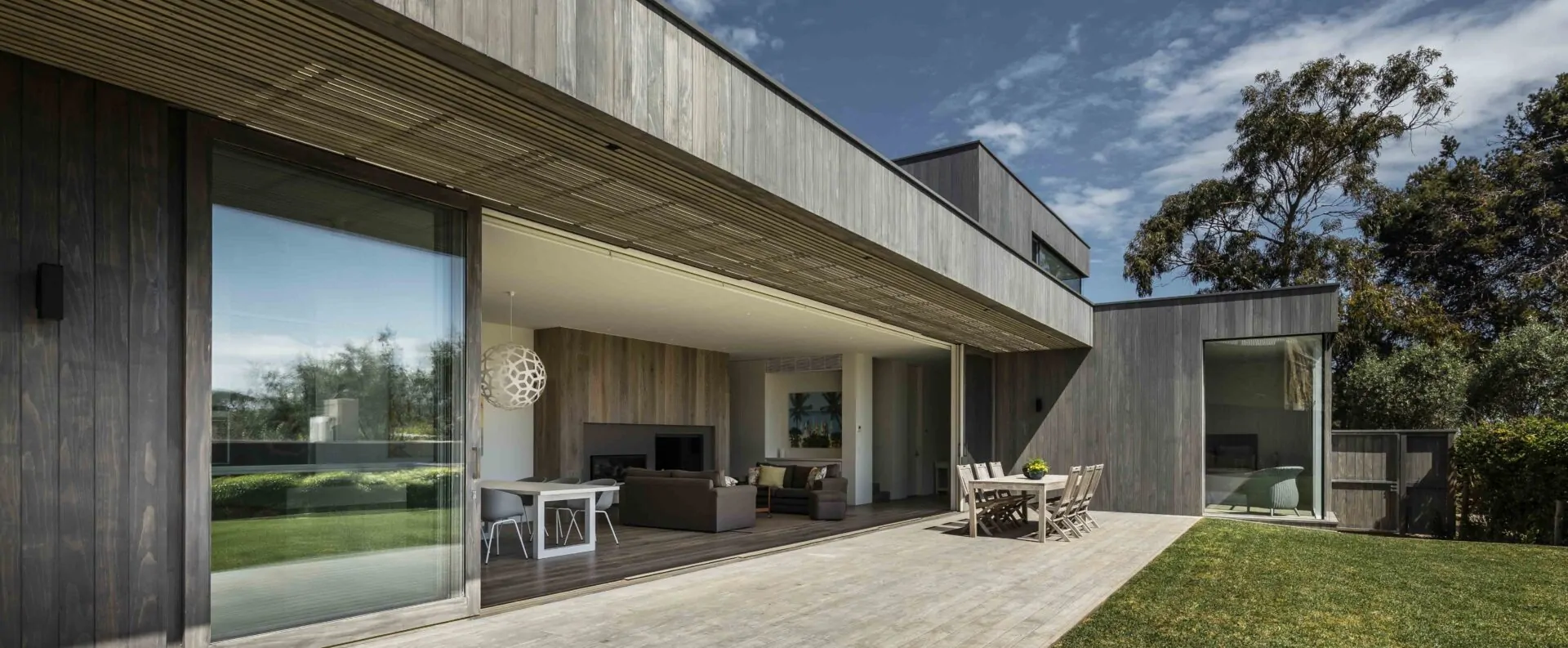
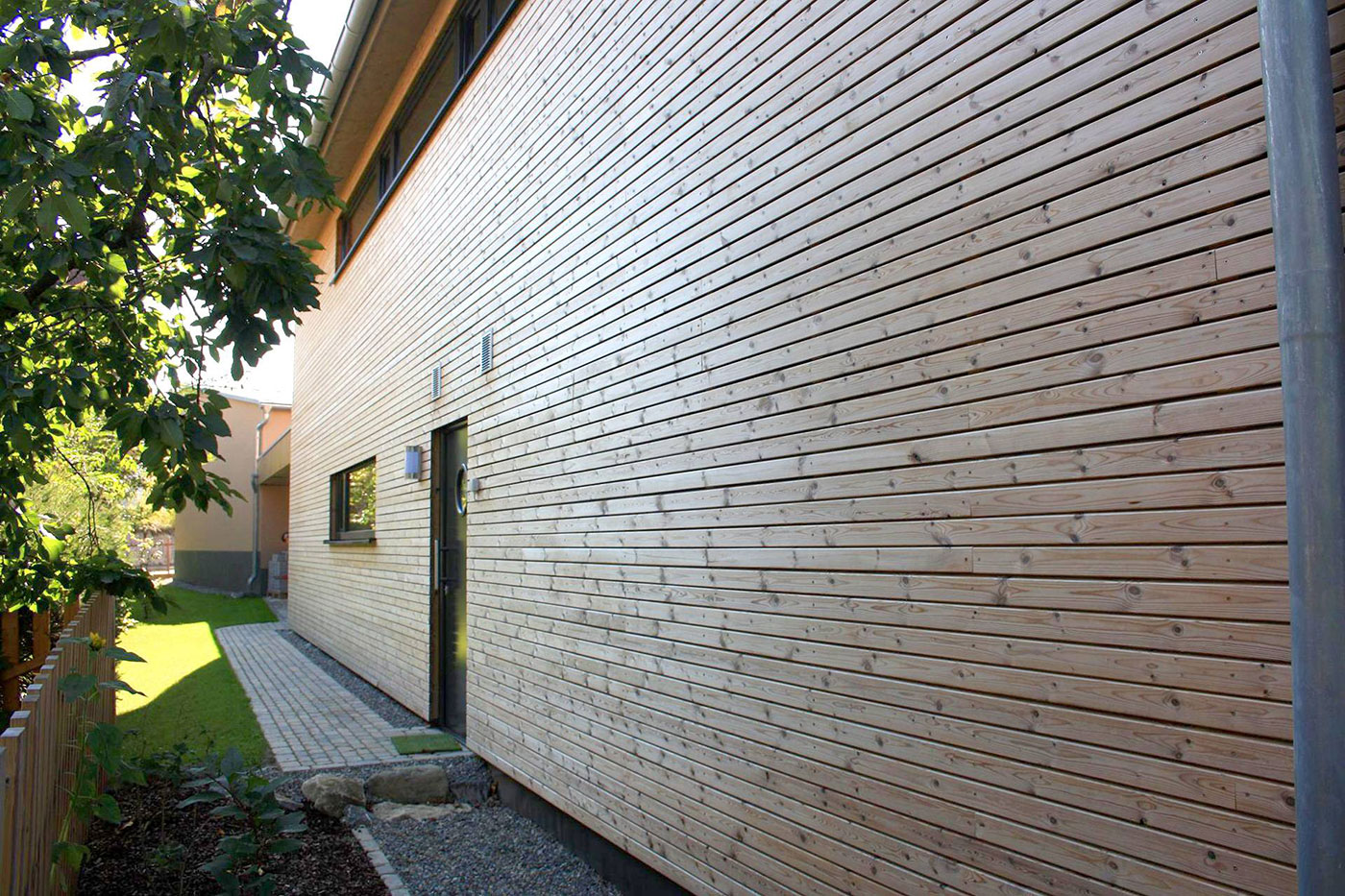
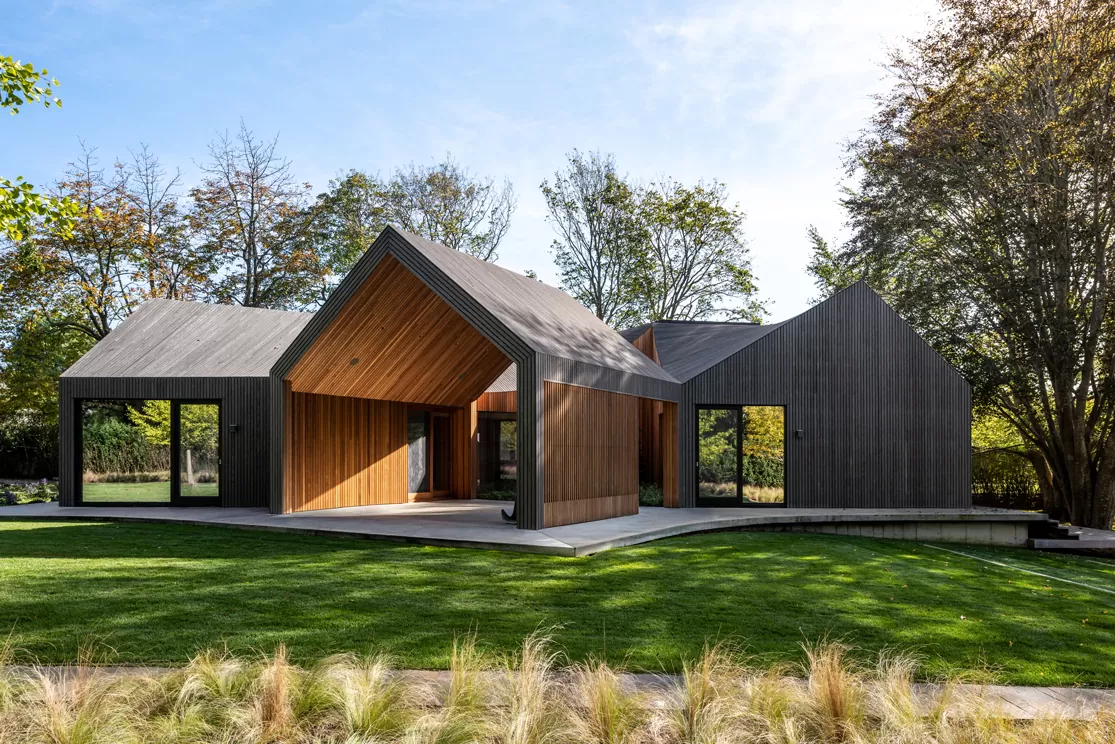
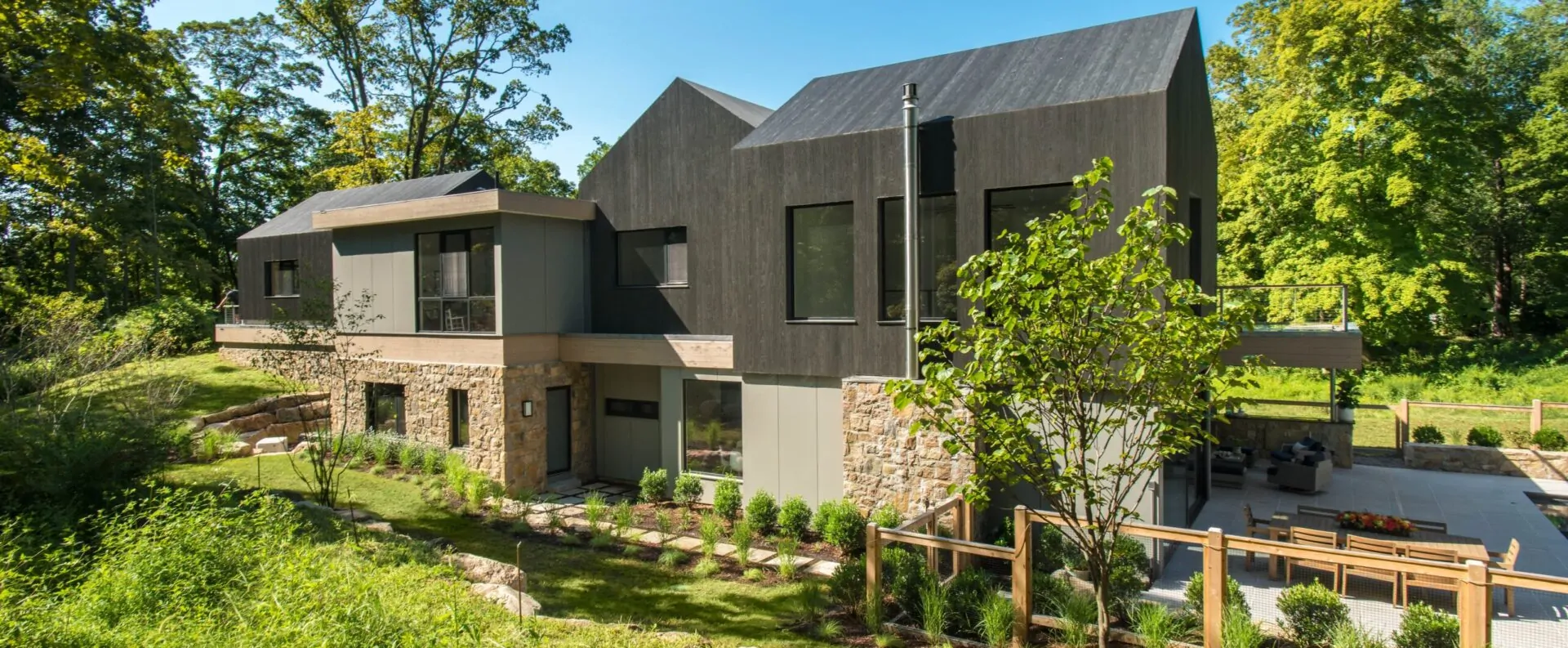
Thermally Modified Wood: The Best Alternative to Pressure Treated Lumber
The Thermal Modification Process for Superior Wood Performance
Thermally modified wood represents another breakthrough in sustainable wood siding options. This process involves treating wood at precisely controlled high temperatures to fundamentally alter its cellular structure, creating:
- Enhanced moisture resistance during extreme weather
- Improved dimensional stability in harsh climates
- Optimized performance for challenging outdoor environments
Natural decay resistance without chemical additives
Thermory Wood: Leading the Thermal Modification Revolution
Thermory thermally modified wood exemplifies the potential of high-temperature treatment technology. Using a carefully controlled thermal modification process that heats wood to temperatures between 160-230°C (320-446°F), Thermory creates what many consider the best wood for coastal homes:
Performance Specifications:
- 15-25 year lifespan for exterior applications
- 50% improved dimensional stability compared to untreated wood
- Significantly reduced moisture absorption (up to 50% less)
- Enhanced resistance to decay and insects without chemical treatments
- Superior thermal insulation properties for energy efficiency
Available Species for Different Applications:
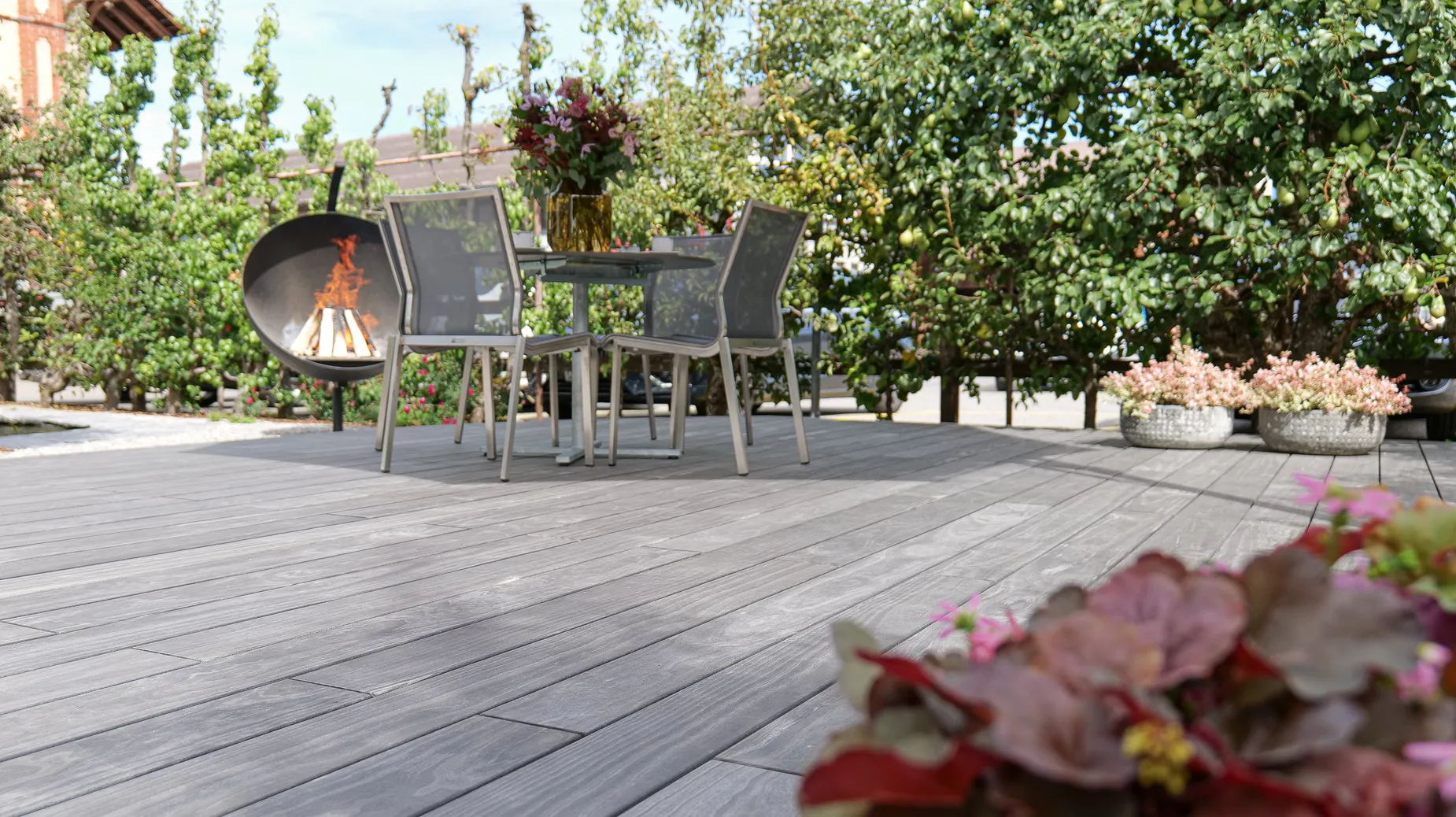
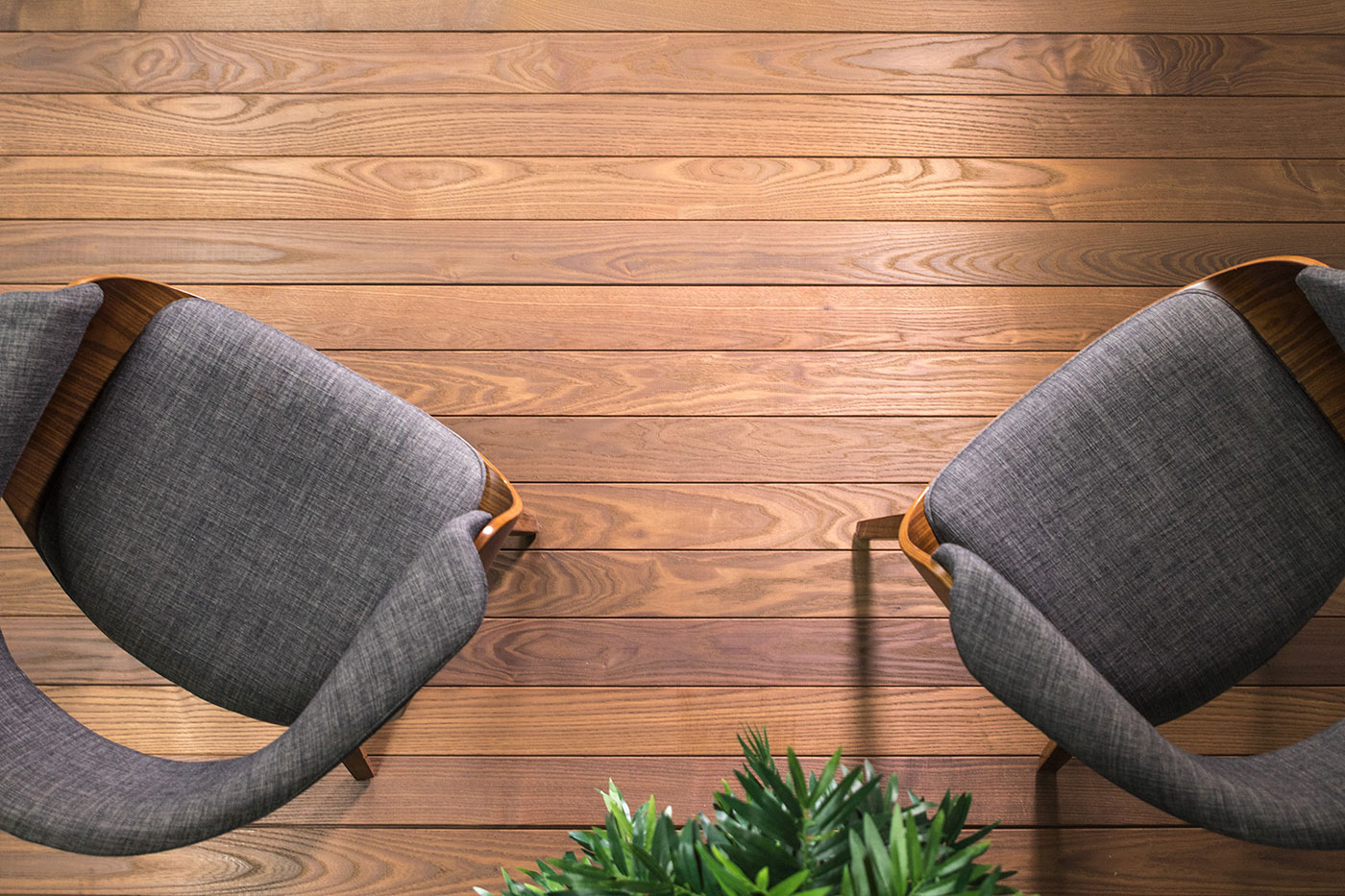
- Thermally modified ash – ideal for low maintenance decking
- Thermally modified pine – excellent for sustainable siding applications
- Thermally modified poplar – perfect for exterior trim that doesn’t need staining
Thermally Modified Wood vs Pressure Treated: Real-World Benefits
This thermal modification technology offers significant advantages over traditional pressure treated lumber:
For Siding Applications:
- Better performance in humid climates with reduced swelling and shrinking
- Improved resistance to moisture cycling from rain and sun exposure
- Enhanced durability in coastal environments with salt exposure
- Natural brown coloration that weathers to elegant gray without staining
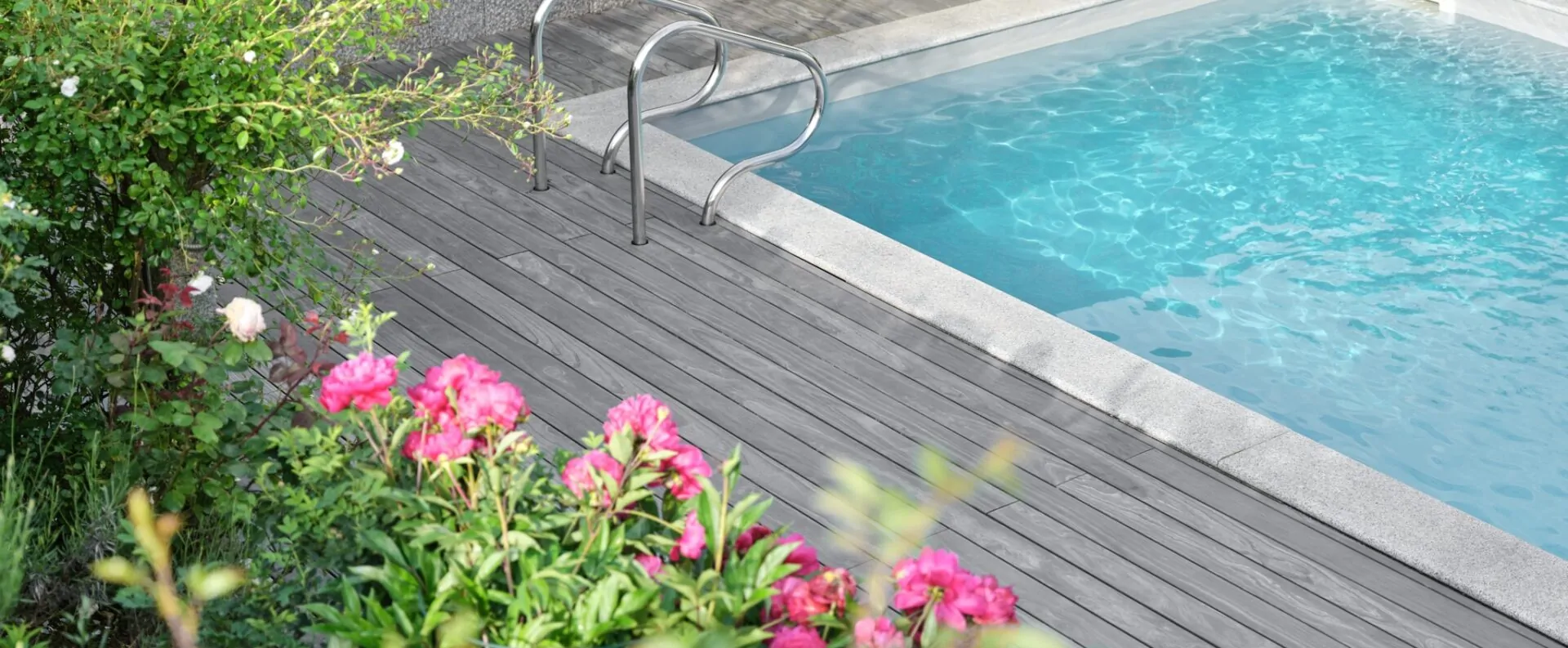
For Decking Applications:
- Superior stability during temperature fluctuations
- Reduced maintenance requirements in extreme weather conditions
- Longer service life in high-traffic outdoor areas
- Splinter-resistant surface for safer barefoot walking
The Science Behind Chemical-Free Wood Preservation
The thermal modification process removes moisture and breaks down hemicellulose, the component of wood most susceptible to decay. This creates:
- Permanently altered wood structure that resists moisture absorption
- No chemical additives – the process uses only heat and steam
- Eco-friendly building materials with no toxic byproducts
- Consistent performance throughout the entire board thickness
How to Choose Wood Siding That Lasts: Economics of Advanced Wood Preservation
Accoya vs Cedar Siding: Long-Term Value Analysis
Thermally modified wood represents another breakthrough in sustainable wood siding options. This process involves treating wood at precisely controlled high temperatures to fundamentally alter its cellular structure, creating:
| Feature | Pressure Treated Wood | Accoya Wood | Thermally Modified Wood |
| Initial Cost | Lower | Higher | Moderate |
| Lifespan | 5-15 years | 25-50+ years | 20-40 years |
| Maintenance | High frequency | Minimal | Low |
| Replacement Cycles | Multiple | Rarely needed | Infrequent |
| Health Concerns | Moderate to high | None | None |
| Climate Performance | Poor | Excellent | Superior |
| Best Use | Budget projects | Premium applications | Sustainable choice |
| Total Cost of Ownership | Higher | Lower | Moderate |
- Enhanced moisture resistance during extreme weather
- Improved dimensional stability in harsh climates
- Optimized performance for challenging outdoor environments
Natural decay resistance without chemical additives
Return on Investment
When you choose advanced wood preservation technologies, you’re investing in:
- Reduced replacement costs over decades
- Lower maintenance expenses and time
- Improved property value through quality materials
- Energy savings from better insulation properties
- Peace of mind from non-toxic materials
What This Means for Your Next Project
For New Construction
If you’re building a new home, consider specifying:
- Acetylated wood for decking, siding, and trim
- Thermally optimized lumber for challenging climate applications
- Non-toxic preservation methods for all exterior wood elements
For Renovation Projects
When renovating, look for opportunities to:
- Upgrade to longer-lasting materials that reduce future maintenance
- Choose climate-appropriate treatments for your specific region
- Invest in quality that pays dividends over time
Working with Professionals
When discussing these options with contractors:
- Ask about availability of advanced preservation technologies
- Compare total cost of ownership, not just initial price
- Request information about warranties and performance guarantees
- Prioritize health and safety in material selection
The Future is Here: Building Smarter with Wood
We’re witnessing a fundamental shift in how we think about wood as a building material for exterior applications. These preservation technologies aren’t just theoretical—they’re available now and being used in homes across the country.
The benefits are clear:
- Longer-lasting exterior structures that reduce waste
- Safer environments for families
- Better performance in challenging outdoor conditions
- Improved sustainability through reduced replacement cycles
The choice is yours: continue with traditional approaches that require constant maintenance and raise health concerns, or embrace innovative solutions that protect your outdoor investment and your family.
Ready to Explore Advanced Wood Preservation for Your Exterior Projects?
Whether you’re planning a new deck, considering wood siding, or undertaking an exterior home renovation, these breakthrough preservation technologies can enhance your project’s durability, safety, and long-term value.
Don’t let outdated preservation methods compromise your family’s health or the longevity of your investment. The future of exterior wood protection is here, and it’s safer, stronger, and more sustainable than ever before.
Contact us today to discuss how advanced wood preservation technologies can benefit your specific outdoor project. Our experts can help you navigate the options, understand the costs and benefits, and make informed decisions that protect both your home’s exterior and your family for decades to come.
Ready to build with confidence? Let’s discuss how these revolutionary wood preservation technologies can enhance your next exterior project.