

This is Part 2 of our 3-part series: “The Prebuilt Office Strategy: How Building Owners Are Adapting to Market Changes”
Turning Strategy Into Action
In Part 1, we established the market opportunity: 19.4% national vacancy rates, extended lease-up periods, and growing demand for turnkey solutions. Now comes the critical question: how do you successfully implement a prebuilt office strategy?
This implementation guide covers:
- Property evaluation frameworks that identify the best candidates
- Design and construction management systems
- Financial modeling and budgeting approaches
- Operational requirements for long-term success
The implementation reality: While the market opportunity is clear, execution determines success. Our analysis of successful prebuilt developments reveals specific patterns and practices that separate profitable projects from expensive failures.
Warning for Part 3: The final installment will examine technology trends and emerging market opportunities that could reshape the entire prebuilt landscape within the next 24 months. Missing these trends could make even well-executed current strategies obsolete.
Phase 1: Property Assessment and Selection
The Property Evaluation Framework
Floor Plate Efficiency:
- Rectangular or square layouts optimize office configurations
- Natural light access throughout the space
- Column spacing that allows flexible furniture arrangements
- Minimum ceiling heights of 9 feet for professional appearance
Infrastructure Capacity:
- HVAC systems capable of supporting higher occupancy densities
- Electrical capacity for modern technology requirements (minimum 6-8 watts per square foot)
- Telecommunications infrastructure or capacity for upgrades
- Adequate parking ratios for multiple tenants (typically 3-4 spaces per 1,000 sq ft)
Building Systems Assessment:
- Recent building renovations or system upgrades
- Energy efficiency ratings and utility costs
- Life safety systems meeting current codes
- Americans with Disabilities Act compliance status
Location and Market Analysis
Market Fundamentals:
- Local employment growth and business formation rates
- Competitive supply analysis within 3-mile radius
- Transportation accessibility and commute patterns
- Proximity to complementary businesses and amenities
Demographic Factors:
- Target tenant concentration in the market area
- Average company size and space requirements
- Industry clusters that support prebuilt demand
- Local economic development initiatives
Financial Viability Assessment
Current Performance Analysis:
- Existing vacancy rates and lease-up velocity
- Current rental rates versus market comparables
- Operating expense ratios and cost structure
- Capital improvement requirements and timing
Investment Requirements:
- Construction costs ranging from $202-574 per square foot depending on scope
- Architecture and design fees typically $3-5 per square foot
- Furniture, fixtures, and equipment investments
- Marketing and lease-up costs
Property Classification Impact
The success of prebuilt development varies significantly by building class:
Class A Buildings:
- Higher construction budgets but premium rental potential
- Sophisticated tenant expectations for design and amenities
- Newer construction often falls into higher classes based on building age, location, and accessibility
- Competition with new construction and premium flexible workspace providers
Class B Buildings:
- Most common target for prebuilt conversion
- Cost-effective renovation potential with significant impact
- Target market of growing businesses seeking professional space
- Opportunity to elevate building class through quality improvements
Class C Buildings:
- Lower initial investment requirements
- Focus on basic professional environments
- Limited rental premium potential
- Suitable for price-sensitive market segments

The Construction Timeline Reality
Traditional office buildouts face significant time challenges:
- Design development typically takes 2-4 weeks minimum
- Shell space build-outs can take up to eight months for a 20,000-square-foot space
- Construction projects can range from three to twelve months
- Traditional office fit-outs can take 15-40 weeks or longer
During these extended periods, building owners carry vacancy costs while tenants pay rent on spaces they cannot occupy—creating double-rent scenarios that strain tenant relationships.
The Prebuilt Office Solution
What Are Prebuilt Office Spaces?
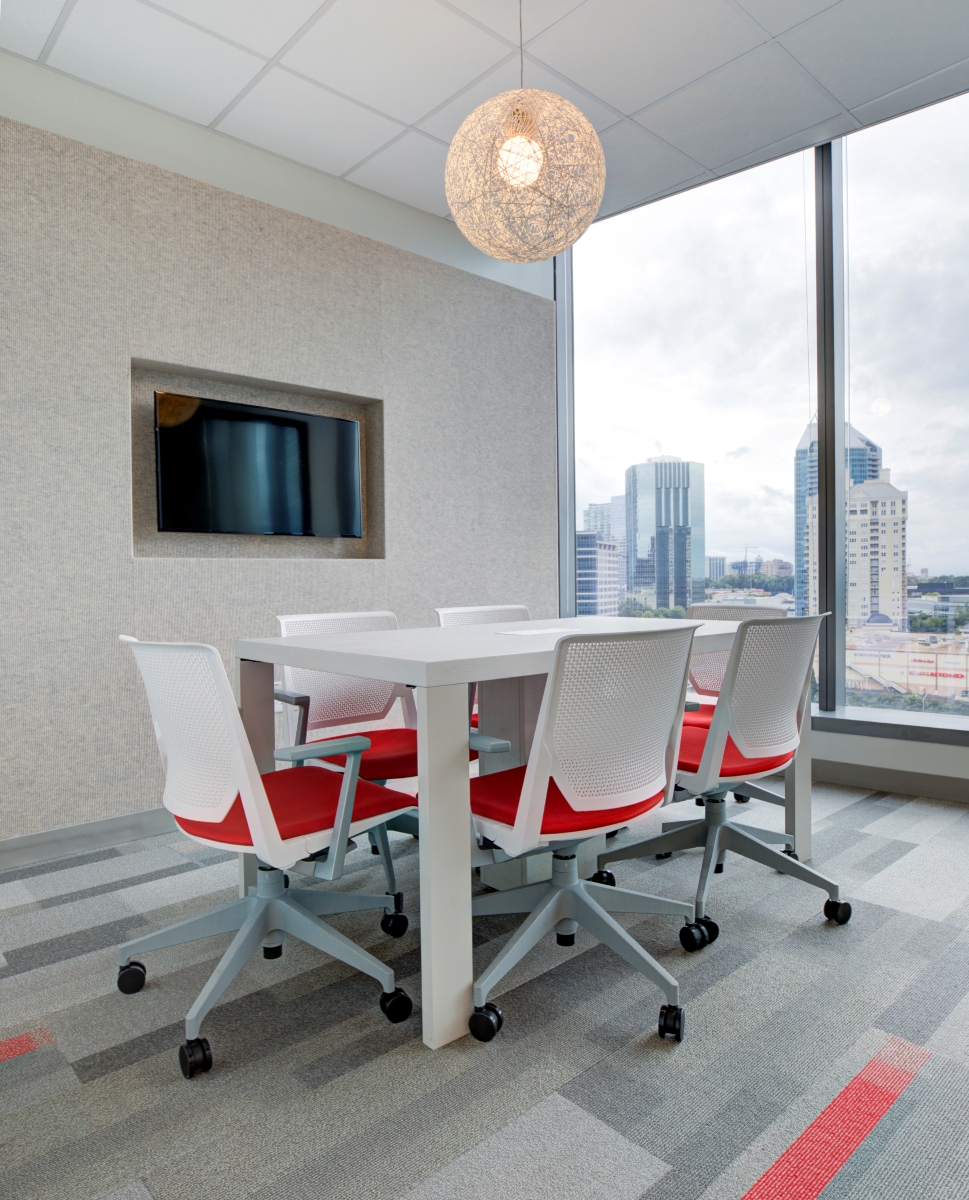
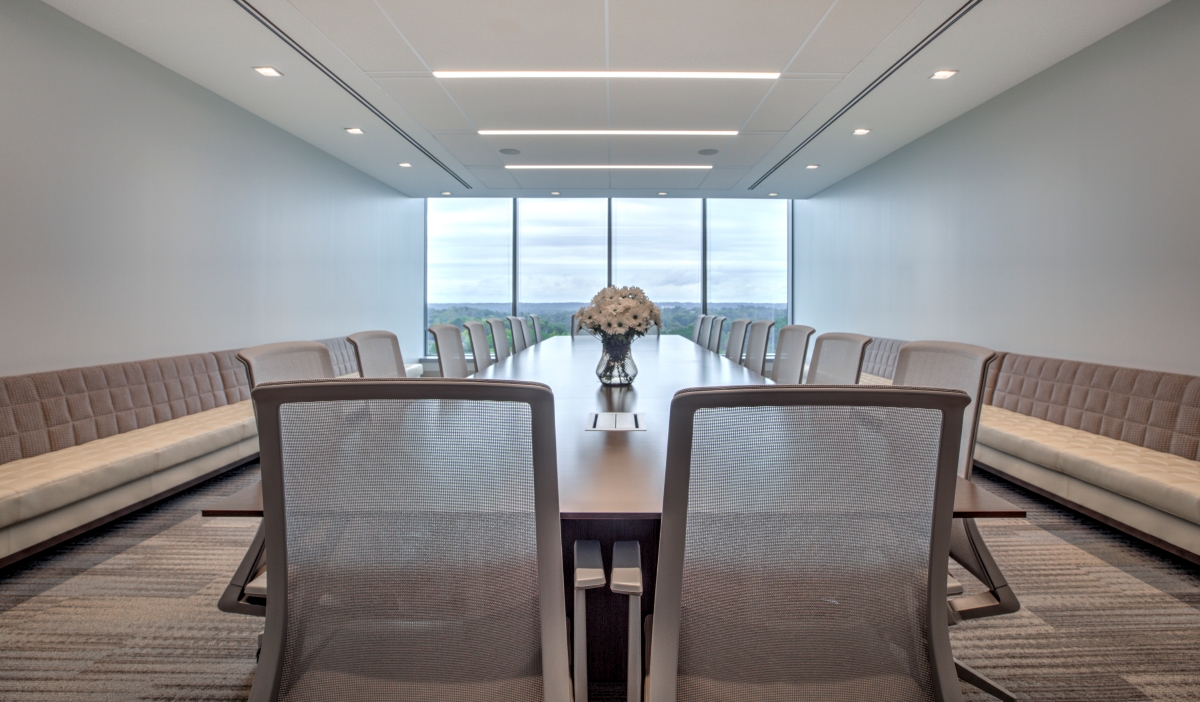
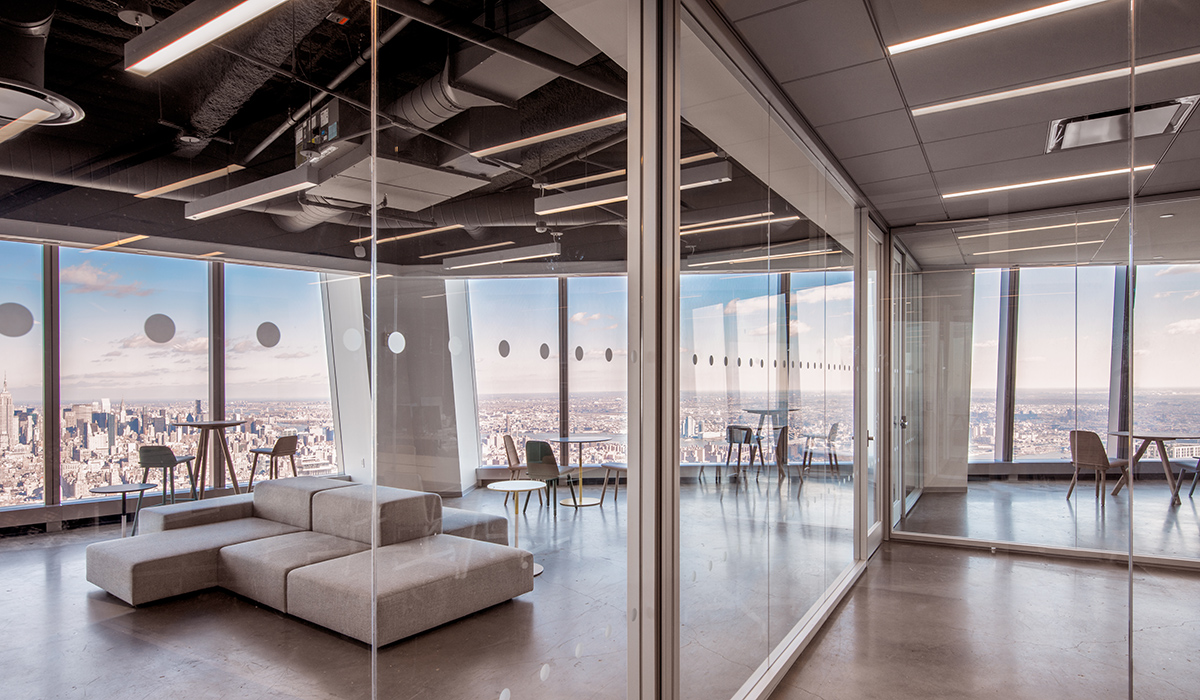
Prebuilt office spaces are professionally designed, furnished, and equipped work environments ready for immediate occupancy. Unlike traditional “build-to-suit” arrangements, these spaces eliminate construction delays and provide tenants with move-in-ready solutions.
The Market Opportunity
The global office suites market was valued at $13.5 billion in 2024 and is projected to reach $111 billion by 2033, exhibiting a CAGR of 26.38%. This growth reflects changing tenant preferences toward flexible, immediate-occupancy solutions.
Addressing Modern Tenant Needs
Today’s tenants face different challenges than pre-2020:
- Immediate Occupancy Requirements: Businesses need to adapt quickly to changing conditions
- Reduced Capital Availability: Companies prefer operational expenses over capital expenditures
- Flexibility Demands: Uncertain growth patterns require adaptable lease terms
- Professional Standards: Hybrid work models demand high-quality spaces for client meetings
Financial Analysis: Traditional vs. Prebuilt Approach
Let’s examine the financial implications using conservative, market-based assumptions:
Traditional Office Leasing Costs
For a typical 10,000 sq ft office space:
Tenant Improvement Allowance:
- Conservative estimate: $40/sq ft = $400,000
- Higher-end markets: $60/sq ft = $600,000
Timeline Costs:
- Design phase: 2-4 weeks minimum
- Construction: 3-8 months
- Total vacancy period during buildout: 4-10 months
Additional Costs:
- Architectural/design fees (tenant responsibility)
- Project management time and resources
- Potential construction delays and overruns
Prebuilt Development Investment
Initial Investment Required:
- Professional design and construction
- Quality furniture and fixtures
- Technology infrastructure
- Marketing and leasing costs
Financial Benefits:
- Elimination of tenant improvement allowances
- Reduced vacancy periods
- Potential for rental premiums due to convenience and quality
- Multiple tenant turnovers possible within traditional lease-up periods


Market Positioning Advantages
Competitive Differentiation
In a market with 19.4% vacancy rates, building owners need differentiation strategies. Prebuilt spaces offer:
- Speed Advantage: Immediate occupancy vs. months of construction
- Risk Reduction: Tenants avoid construction delays and cost overruns
- Professional Quality: Design standards individual tenants cannot achieve independently
- Operational Simplicity: Reduced tenant responsibilities and vendor management
Target Tenant Segments
Prebuilt spaces particularly appeal to:
- Growing Companies: Need space quickly without capital diversion
- Project-Based Businesses: Require flexible terms and immediate setup
- Professional Services: Value high-quality presentation spaces
- Technology Companies: Need modern, equipped work environments
Implementation Considerations
Property Assessment
Not all properties are suitable for prebuilt development. Key factors include:
Location Requirements:
- Accessibility and transportation connections
- Local business density and growth patterns
- Competitive landscape analysis
Physical Building Characteristics:
- Floor plate efficiency and natural light
- HVAC and electrical system capacity
- Parking availability and building amenities
Market Conditions:
- Local vacancy rates and absorption patterns
- Tenant size requirements and preferences
- Competitive rental rates and concession levels
Design Strategy
Successful prebuilt spaces balance universal appeal with operational efficiency:
Space Programming:
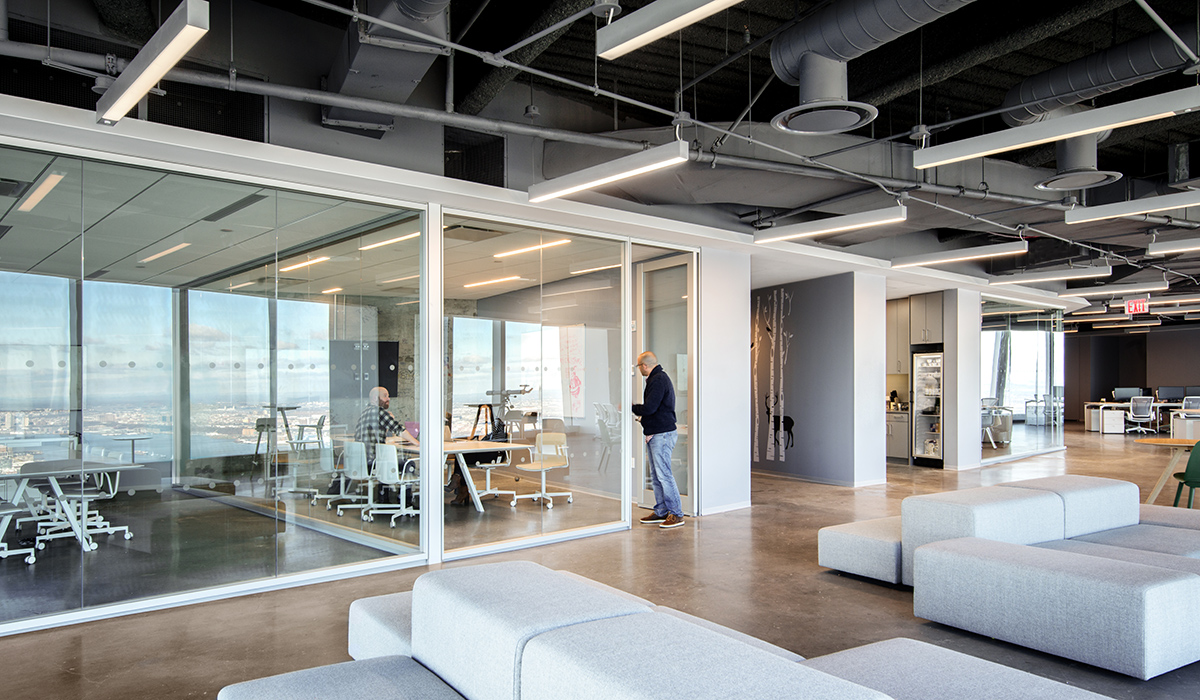
- Mix of private offices and collaborative areas
- Conference rooms and meeting spaces
- Break rooms and informal interaction zones
Technology Infrastructure:
- High-speed internet and robust electrical systems
- Modern HVAC with individual zone control
- Integrated audio-visual capabilities
Finish Quality:
- Professional-grade materials and finishes
- Neutral color schemes with customization potential
- Ergonomic furniture and lighting design

Risk Management
Market Risk Factors
Competition Increase: Success may attract competitors, potentially reducing rental premiums over time
Economic Sensitivity: Prebuilt spaces may face higher turnover during economic downturns
Maintenance Complexity: Higher service expectations require robust operational systems
Mitigation Strategies
Diversification: Multiple smaller tenants reduce concentration risk compared to single large tenants
Quality Focus: Superior design and service levels create competitive moats
Operational Excellence: Efficient management systems maintain profitability across market cycles
The Path Forward
Current Market Window
Several factors create opportunities for building owners:
- Supply Constraints: New office deliveries in 2025 were about 25% of 2019 levels
- Tenant Demand: Businesses seek solutions that reduce complexity and risk
- Technology Integration: Smart building capabilities enhance value propositions
- Market Recovery Positioning: Early movers capture market share as conditions improve
Success Requirements
Implementing prebuilt strategies successfully requires:
- Comprehensive Market Analysis: Understanding local conditions and tenant requirements
- Quality Execution: Professional design and construction management
- Operational Excellence: Efficient property management and tenant services
- Financial Planning: Adequate capital and realistic return expectations
What's Coming in Part 2: Implementation Strategy
Understanding the market opportunity is the first step. Part 2 will cover the practical implementation aspects:
Implementation Planning:
- Property evaluation frameworks
- Design and construction management
- Budgeting and financial modeling
- Timeline planning and risk mitigation
Operational Systems:
- Property management requirements
- Tenant relations strategies
- Technology integration approaches
- Performance measurement systems
Marketing and Leasing:
- Target market identification
- Pricing strategies
- Marketing channel optimization
- Lease structure considerations
Real-World Application: Detailed case studies showing successful implementations across different market conditions and property types.
Key Takeaways
The office market transformation creates both challenges and opportunities. While office demand shows signs of recovery, vacancy rates remain near record highs, requiring building owners to adapt their strategies.
Prebuilt office spaces address current market inefficiencies by:
- Eliminating construction delays that deter tenants
- Reducing tenant improvement costs and complexity
- Providing immediate occupancy solutions
- Creating differentiation in competitive markets
Success requires understanding local market conditions, executing professional development programs, and maintaining operational excellence that justifies any rental premiums.
The projected growth from $13.5 billion to $111 billion in the office suites market indicates significant opportunity, but implementation quality determines individual project success.
Next: Part 2 will provide the detailed implementation roadmap, including property evaluation, design strategies, and operational systems that turn market opportunities into profitable operations.
About This Series: “The Prebuilt Office Strategy” examines how building owners can adapt to current market conditions through turnkey office solutions. Based on current market data and industry best practices.. Contact us today to learn how we can help you in your Prebuilt journey.