
How our 150-year-old townhouse renovation uncovered costly structural surprises – and the inspection checklist that could save your project budget
Three months into our Brooklyn Heights townhouse renovation, we’d already encountered four major structural issues in this 150-year-old historic property that only revealed themselves to the untrained eye after demolition began. While every old house renovation has surprises, many can be identified upfront with the right approach. Luckily for our client, we were able to identify 3 of the 4 surprises before construction through our pre-renovation assessment.
Follow along with our Brooklyn Heights renovation experience and pay attention to the red flags that could help you spot these costly problems before they derail your historic property renovation budget.
The Bottom Line: When renovating a historic townhouse in Brooklyn Heights or similar neighborhoods, always allocate at least 15-20% of your budget for contingencies. Even with thorough pre-construction planning, century-old homes will surprise you.
Issue #1: The "Frankenstein" Floor Joist System
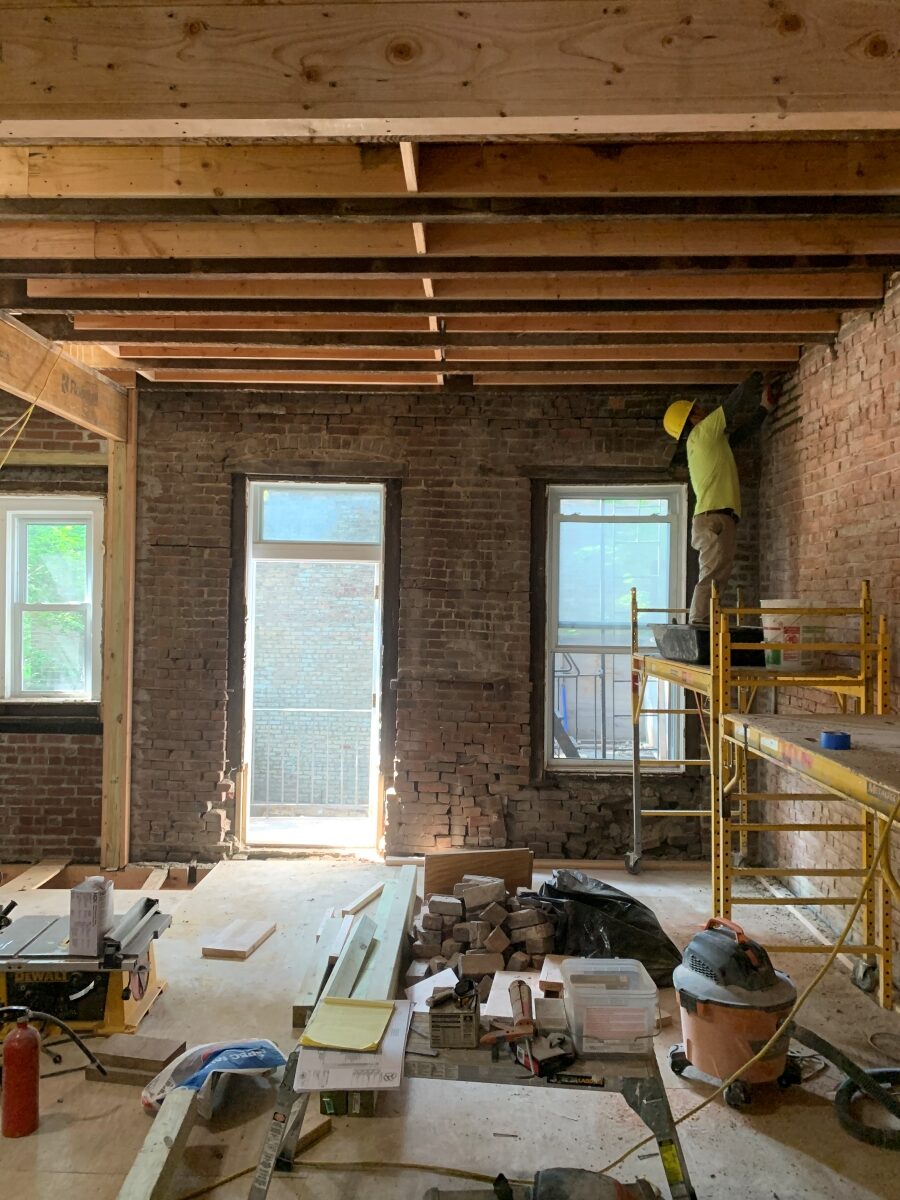
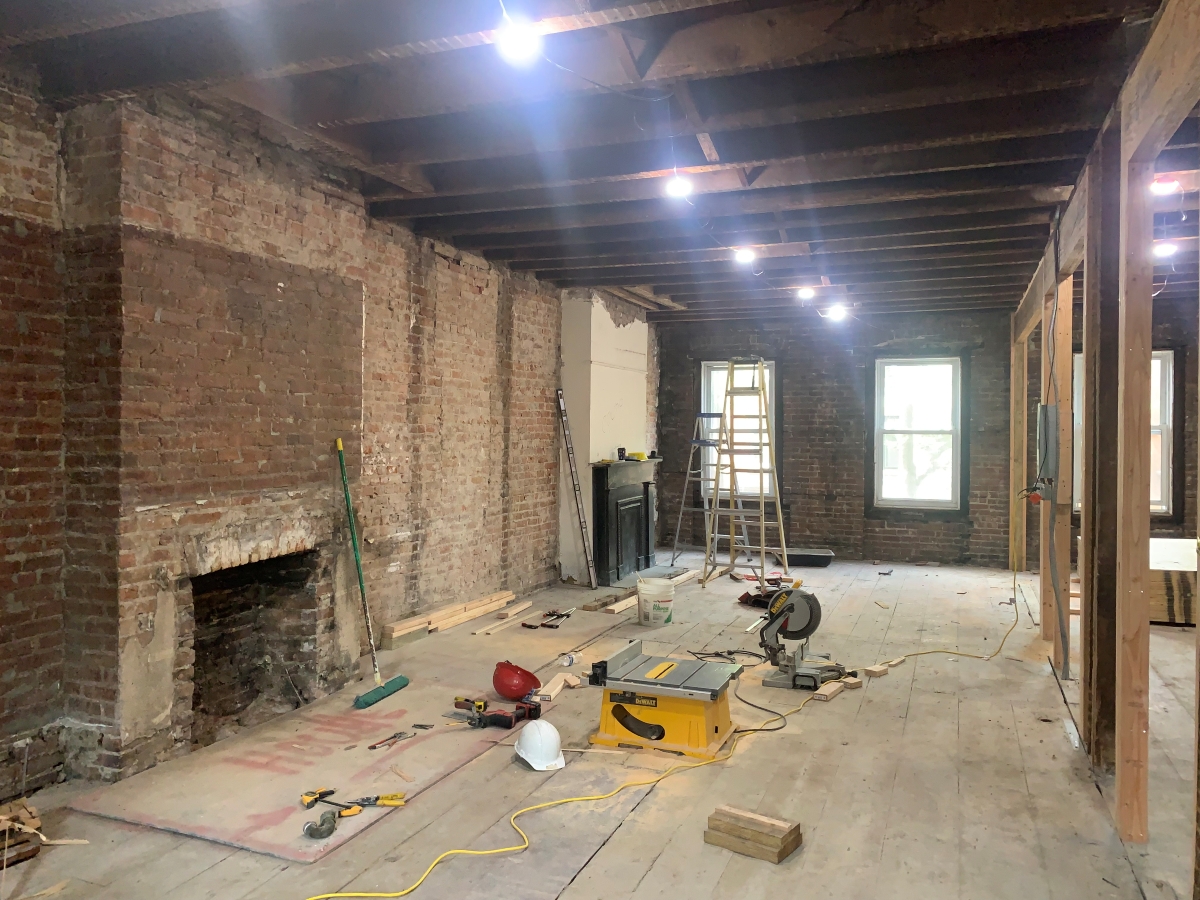
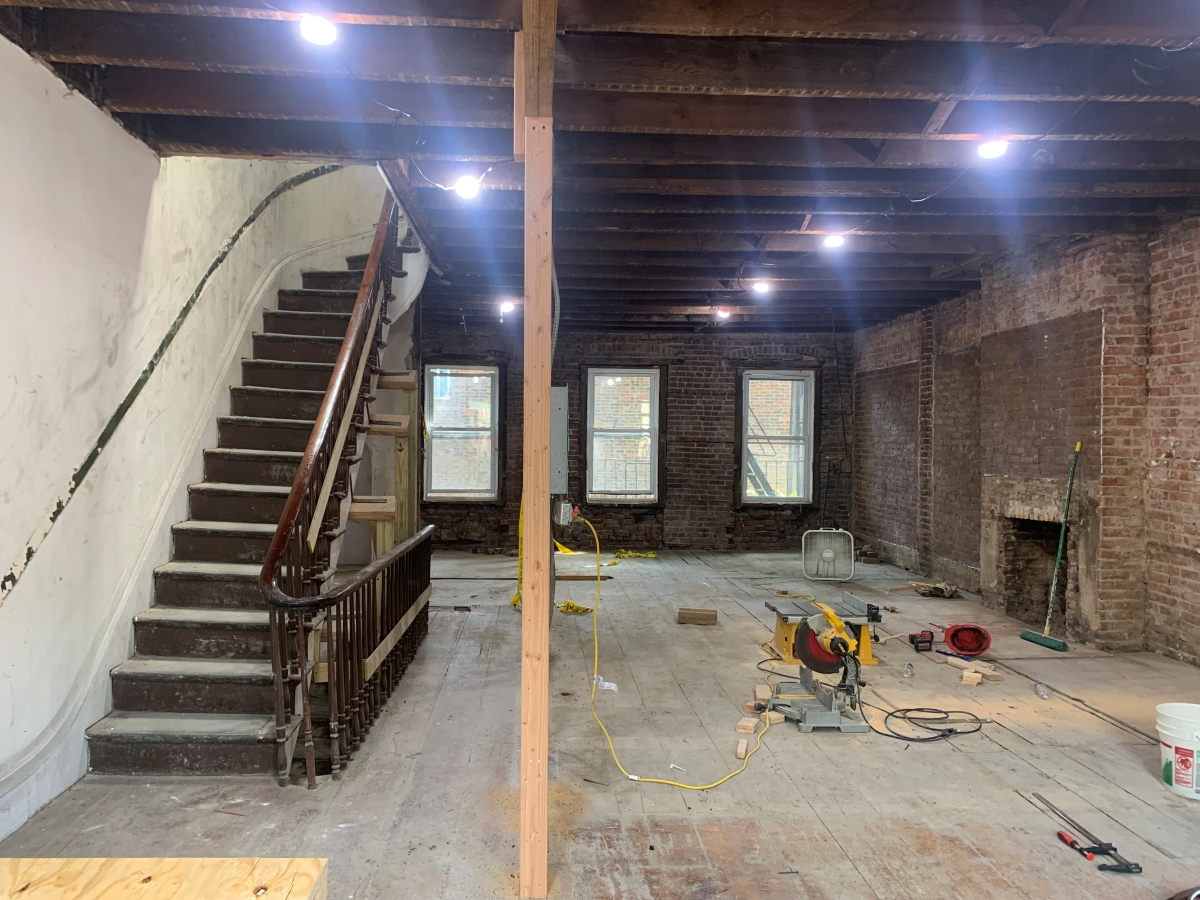
What We Found in Our Brooklyn Townhouse: Once the original plaster ceiling was removed, we discovered that every floor joist was different. Not just bowed from 150 years of settling—but actually constructed with completely different lumber dimensions, a common issue in 19th-century construction.
The Renovation Impact:
- Joist tops weren’t level due to structural settling over time
- Joist bottoms weren’t level due to mismatched historic lumber sizes
- Impossible to install new subflooring or ceiling materials properly
Our Historic Home Renovation Solution: We “sistered” new two-by-six lumber against every existing joist, creating a uniform, level surface for subflooring and sheetrock installation. This structural reinforcement gave us a solid foundation for the interior buildout.
Red Flag for Historic Property Buyers: Visibly uneven floors or sagging ceilings, especially in older sections of historic homes. If you can see significant bowing or feel “waves” when walking, the framing likely needs structural attention.
Issue #2: Structural Spans Beyond Modern Building Codes
What We Found in Our Brooklyn Townhouse: The existing floor joists in this historic Brooklyn property were spanning distances far beyond what current building codes would consider structurally sound. Combined with age-related deterioration, this explained the severe sagging we discovered.
The Long-Term Impact: Without structural intervention, the sagging would continue and potentially compromise flooring and ceiling finishes or worse, the townhouse’s structural integrity over time.
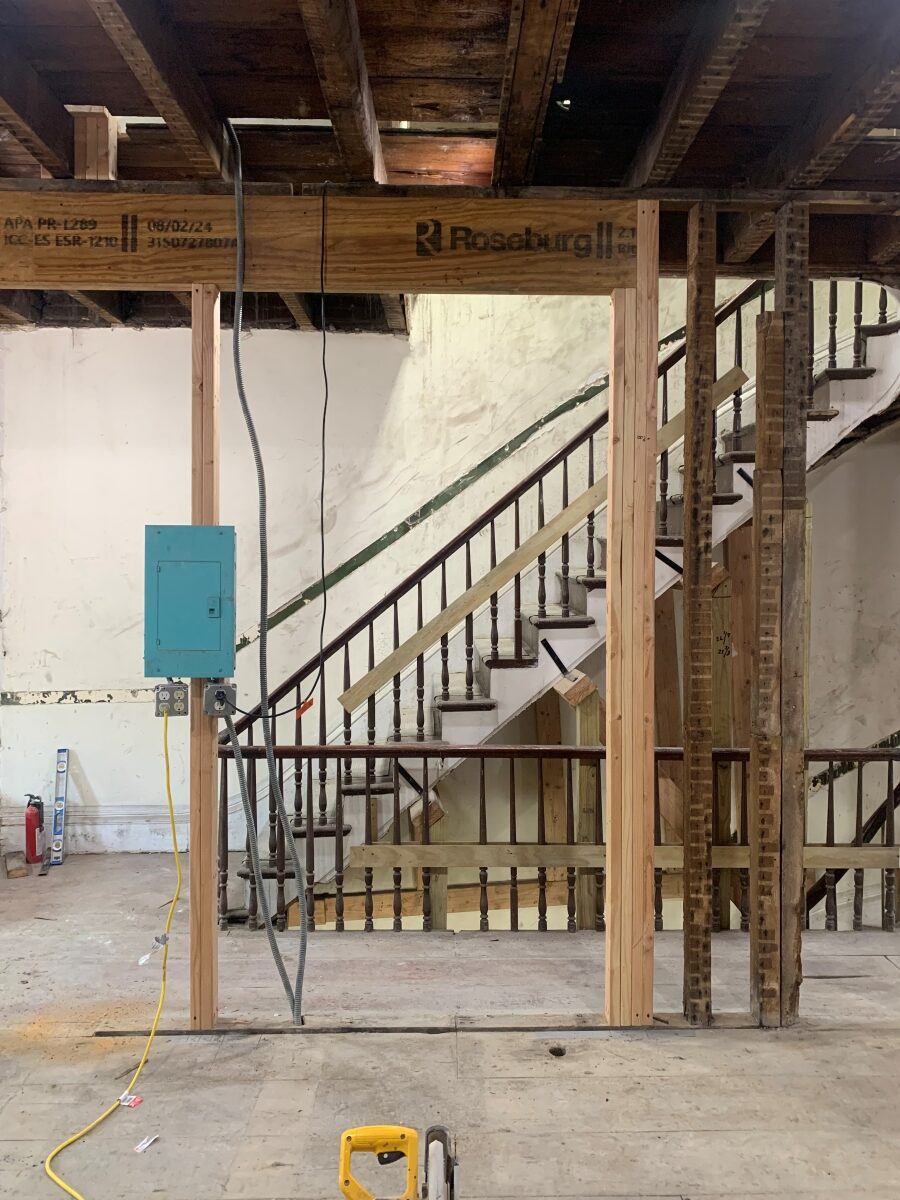
Our Historic Home Renovation Solution: We installed a new structural steel girder running along the North-South axis of the Brooklyn Heights home through the central hallway. This beam provides mid-span support, essentially halving the load on each historic joist and ensuring long-term structural stability.
Red Flag for Historic Property Buyers: Doors that don’t close properly, cracks appearing where walls meet ceilings, or floors that feel “bouncy” when walking—all indicators that structural members may be overstressed in your old house renovation project.
Issue #3: 1980s Windows Destroying Original Brick Walls
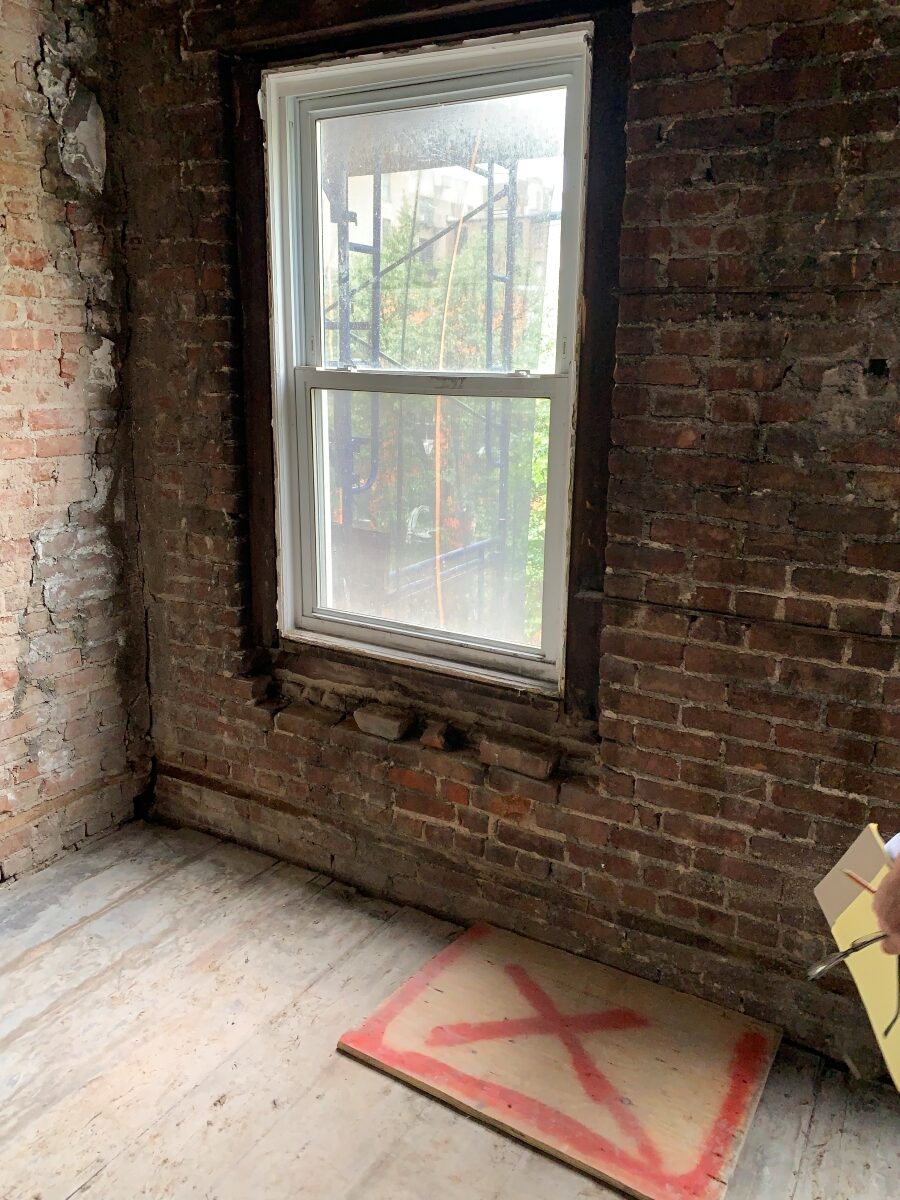
What We Expected in Our Brooklyn Renovation: We knew the 1980s-era replacement windows needed upgrading due to rotted and stained wooden sills—clear indicators of water infiltration damage.
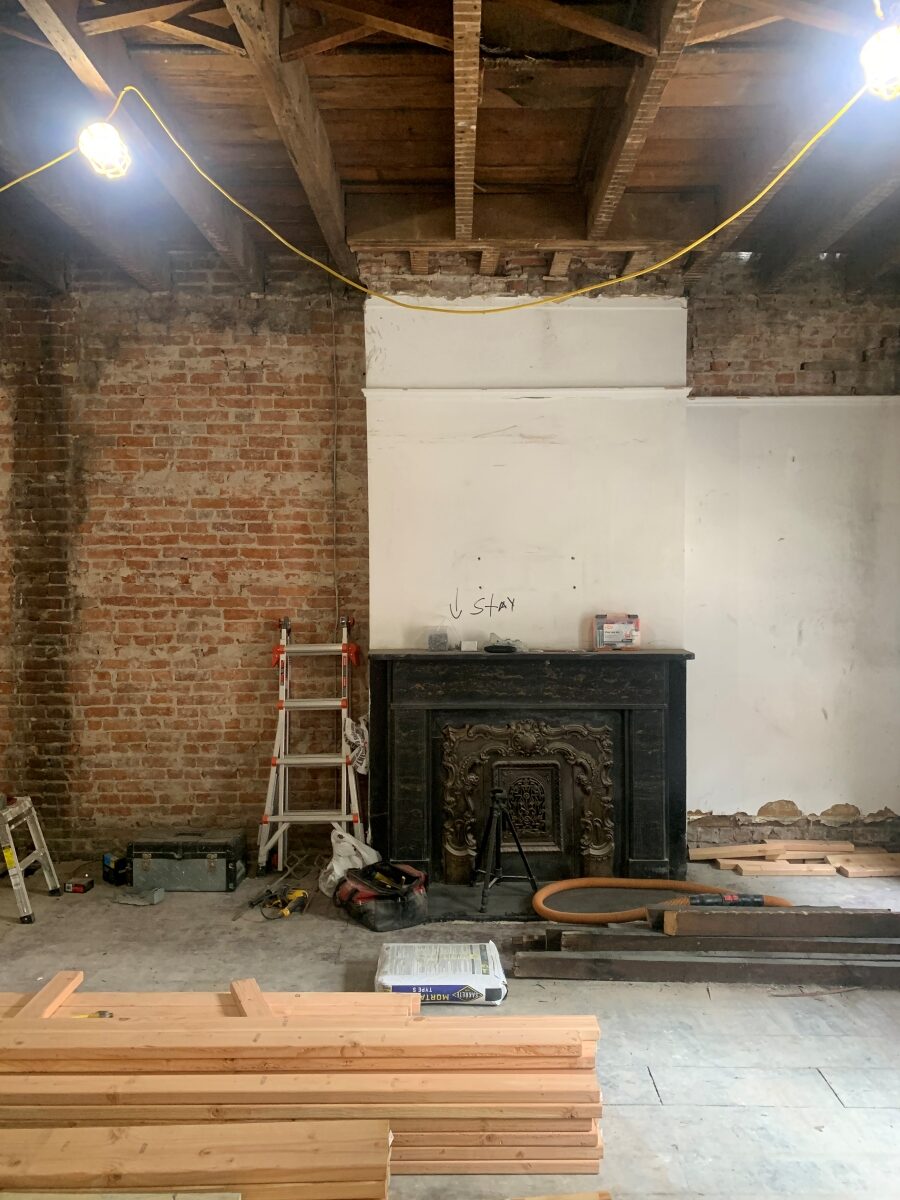
What Our Historic Property Assessment Actually Found: We suspected further damage to the brick facade based on visible cracks in the mortar joints. This was confirmed once exterior wall furring was removed, revealing:
- Interior brick below each window sill had crumbled from decades of rainwater breaking down lime mortar
- Vertical cracks in the original brickwork showed the front and rear facades gradually separating from the side party walls
- Water damage extending 2-3 courses below each window opening
Our Historic Home Renovation Solution: Complete historic brick and mortar restoration in damaged areas, along with structural crack repair to restore the integrity of the exterior walls. New weatherproof flashing will be installed with energy-efficient replacement windows to prevent future water infiltration.
The Energy Efficiency Upside: Replacing the 1980s windows with modern, high-performance units will dramatically improve this Brooklyn Heights townhouse’s thermal performance and reduce heating costs.
Red Flag for Historic Property Buyers: Any water staining around windows, loose or missing mortar between bricks, or visible cracks in exterior masonry walls. These masonry issues compound quickly in NYC’s freeze-thaw cycles if left untreated.
Issue #4: The Historic Staircase That Was Structurally Failing
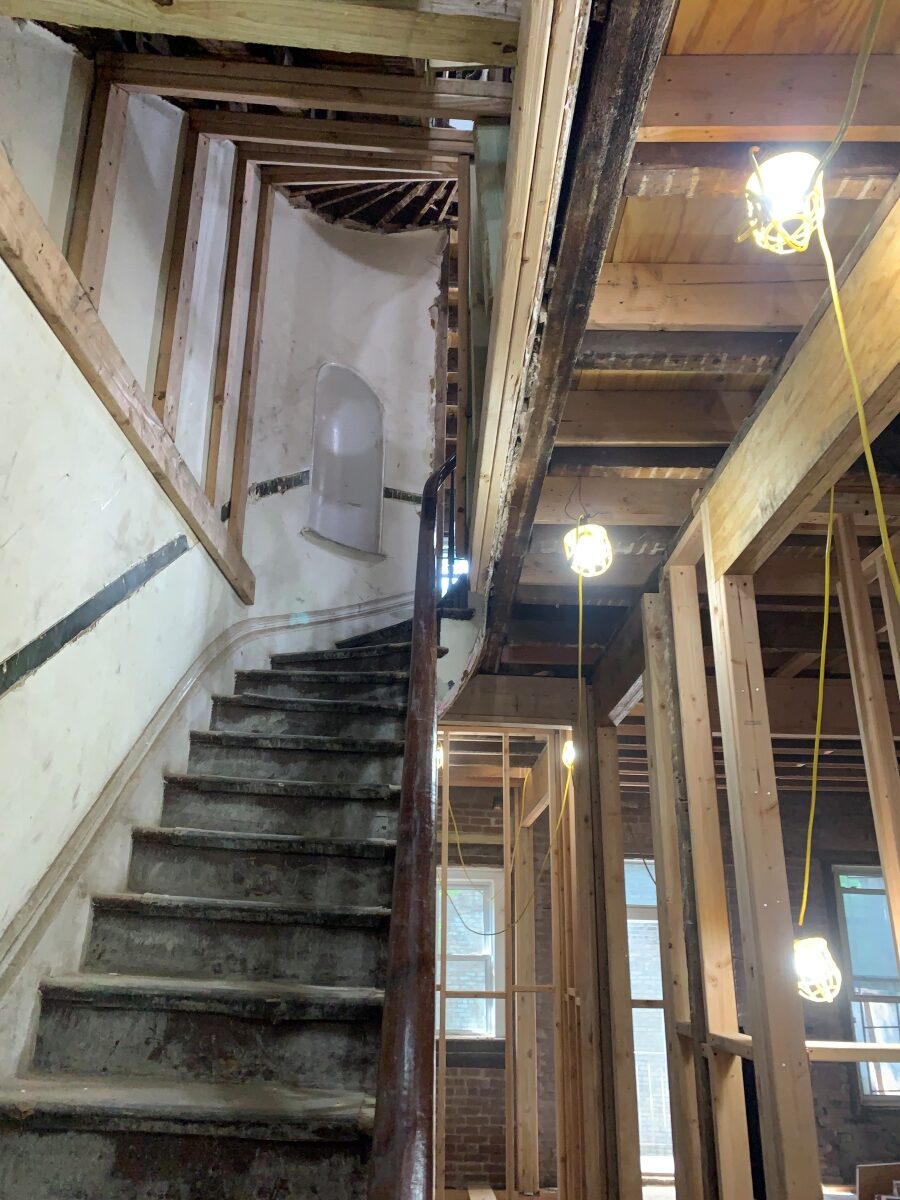
What We Saw Initially: A stunning original central staircase with period-appropriate details, but with visible gaps between the treads and side walls on the upper floors of this Brooklyn Heights townhouse.
What Our Structural Assessment Revealed: The gaps weren’t just cosmetic settling—the entire stair structure was deformed beyond repair due to the inadequate original framing of the floor opening, a common issue in 1870s construction methods.
Our Difficult Decision: Despite initial hopes of preserving the historic stair elements for this landmark district renovation, we determined complete replacement was necessary for safety and code compliance. The floor opening will be reframed to current structural standards to support a new staircase connecting all three floors.
Red Flag for Historic Property Buyers: Any visible separation between stairs and walls, or treads that move excessively when used—indicators of structural failure in your old house.
The Pre-Construction Historic Property Inspection That Saves Thousands
While some renovation issues only become fully apparent during demolition, working with an Architect experienced in historic properties will allow you to anticipate most of these problems. We offer a specialized service for this: our Opportunity Analysis.
What Our NYC Architecture Team Identified Early:
- Signs of chronic water damage around original and replacement windows
- Structural concerns with oversized joist spans typical of 1870s construction
- Staircase instability indicators from settling and age
- General framing irregularities common in pre-code construction
How Early Historic Property Assessment Saved Our Client Money:
- Accurate Budget Planning: The owner allocated appropriate contingency funds for these specific structural issues
- Competitive Contractor Bidding: General contractors could price masonry restoration and structural work accurately
- Project Timeline Management: No major construction delays when problems were uncovered during demolition
Your Historic Home Pre-Purchase Inspection Checklist:
Before Buying or Renovating Your Historic Townhouse:
- Hire an architect specializing in historic properties and landmark district requirements
- Document all visible water damage, staining, or masonry deterioration
- Test floors throughout the townhouse for excessive bounce, sagging, or unevenness
- Check for gaps between architectural elements (stairs, trim, window frames)
- Assess all window and door operation for signs of structural settling
- Look for cracks where different building materials meet (brick/wood, plaster/trim)
- Verify that previous electrical and plumbing upgrades haven’t compromised structural elements
- Research Landmarks Preservation Commission requirements if in a historic district
What's Next: Interior Buildout in a Landmark District
With the major structural and building envelope issues addressed in our Brooklyn Heights renovation, we’re moving into the interior buildout phase. Upcoming historic property challenges:
- Modern Mechanical Systems: Integrating contemporary HVAC, plumbing, and electrical systems into 150-year-old masonry walls
- Historic Detail Preservation: Balancing modern functionality with period-appropriate finishes and millwork
We’ll continue documenting this Brooklyn Heights townhouse transformation and sharing detailed cost breakdowns as the project progresses.
Planning Your Historic Property Renovation?
The key lesson from our Joralemon Street project: most renovation “surprises” can be anticipated with proper historic property planning. While you can’t eliminate all unknowns in a 150-year-old Brooklyn Heights townhouse, working with professionals experienced in historic construction methods and NYC landmark regulations will help you budget appropriately and avoid major timeline disruptions.
Ready to start your historic renovation project? Contact our team to discuss your historic property renovation and connect with contractors experienced in landmark district requirements and historic restoration techniques.
Want updates on our renovation progress and final cost analysis? Subscribe to our newsletter for behind-the-scenes insights and lessons learned from historic property renovations in Brooklyn Heights and beyond.
Frequently Asked Questions
Plan for 15-25% contingency costs for structural and envelope issues in pre-1900 properties. The extent of surprises varies significantly based on the property’s maintenance history and previous renovations.
Yes, Brooklyn Heights is a landmark historic district requiring Landmarks Preservation Commission approval for exterior changes and some interior modifications affecting historic fabric.
Full gut renovations typically take 8-12 months, with additional time for design and landmark approvals if exterior work is involved.
When structurally sound and code-compliant, original features add significant value. However, safety always takes priority over historic preservation.