
Picture this: It’s 2 PM on a Tuesday, and Sarah is staring at her computer screen for the third time in ten minutes, unable to focus. The fluorescent lights are giving her a headache, her neighbor’s phone calls are driving her crazy, and she’s counting the hours until she can escape to her car for lunch. Sound familiar?
Sarah’s not lazy or unmotivated—she’s experiencing workplace burnout caused by poor office design. And she’s not alone. If your office lease is expiring or you’re noticing signs like decreased productivity and higher turnover, your workplace environment might be the culprit, not your people.
Here’s what most companies don’t realize: your office is either helping your team thrive or slowly burning them out. There’s no neutral.
The Hidden Cost of Poor Office Design: Why Your Workplace Environment Matters
Your workplace design directly influences mental exhaustion, stress levels, and energy throughout the day. Yet most companies continue to rely on outdated floorplans, cookie-cutter setups, and reactive policies. The consequences are measurable—and personal:
- Decreased focus and memory retention
- Heightened stress and anxiety
- Reduced morale and rising turnover
- Lost productivity that adds up to a staggering $438 billion annually worldwide (Gallup 2024)—but that number isn’t just a statistic, it’s talented people like Sarah checking out mentally because their environment is working against them
When design neglects how humans actually function, you create invisible friction that erodes performance over time. Your best people start looking for the exit.
This isn’t just about employee comfort—it’s about office design ROI. Companies investing in strategic corporate office design see measurable returns through reduced turnover, lower healthcare costs, and increased innovation. The question isn’t whether you can afford to redesign your office space, but whether you can afford not to.
How Office Space Planning Affects Your Company's Performance
Think about it this way: your office environment is like your company’s nervous system—every design choice sends unspoken messages about safety, control, and whether people actually matter or they’re just cogs in a machine. Our design approach focuses on tuning this system to reinforce psychological resilience and help people do their best work.

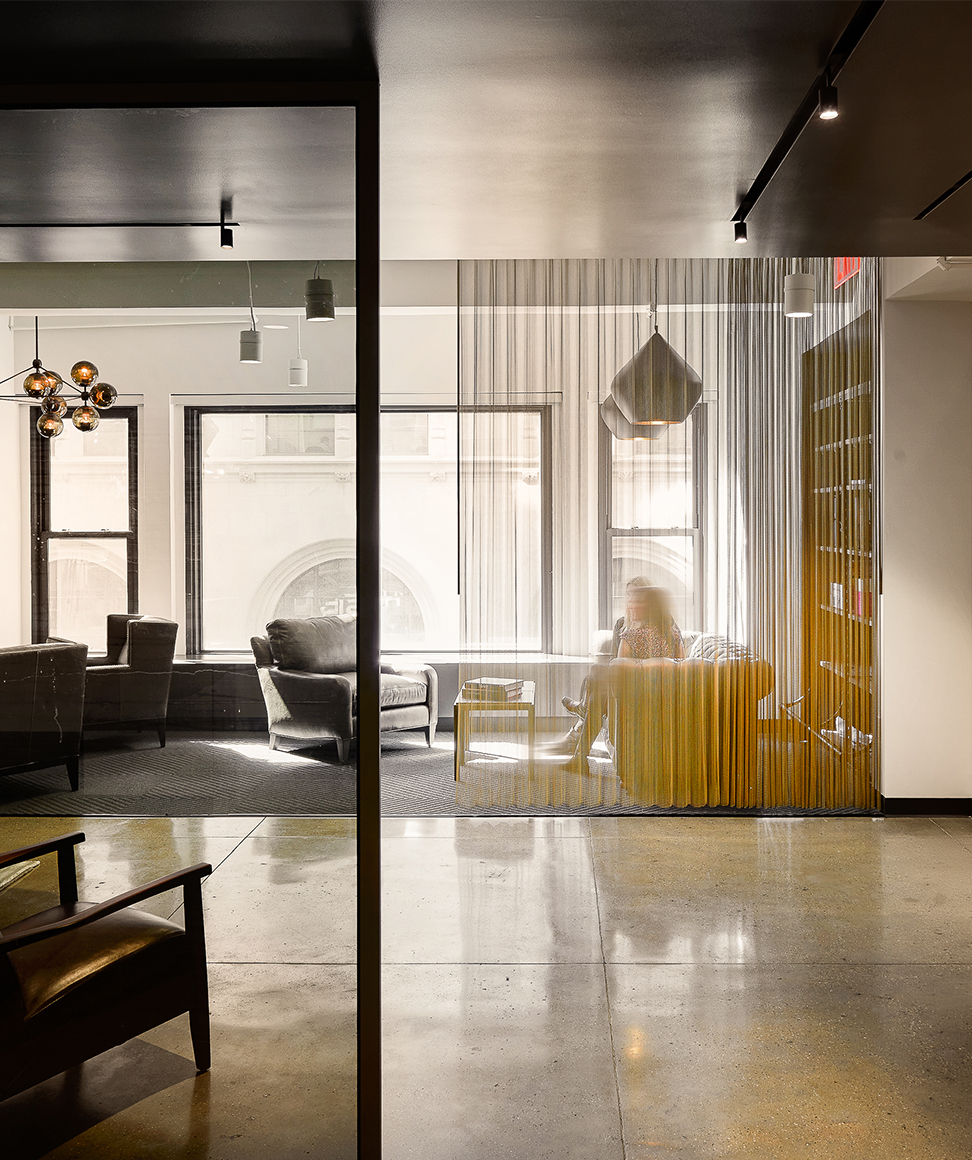
The Monday Morning Test
Whether you’re planning an office renovation because your lease is expiring or you’re simply noticing productivity issues, the Monday Morning Test is the simplest way to assess your current workplace design effectiveness.
Here’s a simple way to know if your office design is working: watch your team on Monday morning. Do they arrive excited and energized, or already looking exhausted? Do they head straight to their desks with purpose, or do they wander around looking for a place where they can actually focus?
Their reaction to your space tells you everything you need to know about whether your design is helping or hurting. If people are already planning their escape route before 9 AM, you’ve got an environment problem, not a people problem.
Understanding how office design affects productivity requires looking at the specific environmental factors that either support or undermine human performance. Modern office design trends focus on these five critical elements:
| Design Factor | What Happens When You Ignore It | What Happens When You Get It Right |
| Lighting | Eye strain, constant fatigue | Better mood, natural energy rhythms |
| Space Layout | Constant distractions, fragmented work | Focus zones, seamless collaboration |
| Noise Levels | Mental overload, inability to think | Acoustic balance, privacy when needed |
| Control & Choice | Feeling trapped and helpless | Empowered self-regulation, personal agency |
| Natural Elements | Sensory deprivation, stress buildup | Mental renewal, reduced stress |
Designing for How Brains Actually Work
The uncomfortable truth? That one-size-fits-all office layout you’re using doesn’t match how people actually think and work. Every cognitive task engages the brain differently. Deep work, brainstorming, problem-solving, and mental recovery each need different environmental cues.
Instead of forcing everyone into the same space, smart design creates different zones for different brain states:
INSERT FLOWCHART
- Muted tones + soft textures → promote calm and deep thinking
- Saturated colors + dynamic layouts → boost social energy and idea flow
- Dedicated reset spaces → enable mental breaks that prevent burnout
Giving People Control Over Their Environment
Here’s a truth bomb: autonomy isn’t just psychological—it’s spatial. Your team thrives when they can control how they work, including their physical environment. Features that increase personal control include:
- Adjustable sit-stand desks and ergonomic chairs
- Task lighting and temperature control within reach
- Movable acoustic dividers or mobile zones
- Opt-in focus booths or tech-free corners
Even the illusion of choice dramatically boosts how supported and valued people feel.
Natural Elements: Your Brain's Reset Button
Adding natural elements to your office isn’t a nice-to-have luxury—it’s a research-backed necessity. We integrate natural materials, simulated nature, and living elements that create measurable changes in brain chemistry and stress levels.
What happens when you get this right:
- Better short-term memory retention
- Lower stress hormones and blood pressure
- Faster recovery from mental fatigue
- Enhanced creativity and emotional regulation
We recommend layering natural cues throughout your space: green walls, calming soundscapes like water, indirect daylight, and natural textures like wood or stone. These passive design features function as continuous brain resets throughout the day.
Understanding What Your Space Really Needs
Before redesigning any space, we start with a “Keep, Toss, Create” diagnostic that engages your team across departments. This process reveals deeper truths than surveys or productivity metrics alone can show you.
Sample questions that uncover the real story:
• What space do you avoid using, and why?
>>>>>>>>>>>>>>>>>>>>>>>>>• What aspect of the office makes your day easier?
>>>>>>>>>>>>>>>>>>>>>>• Where do you feel most focused or most drained?
>>>>>>>>>>>>>>>>>>>>>>• What’s missing that would improve your work experience?
We compile and analyze responses across roles, functions, and demographics, then align them with your operational goals and research-backed design insights.
5 Office Design Strategies That Prevent Burnout
1. Create Different Zones for Different Mental States
Stop forcing everyone into the same type of space. Segment your office with zones designed for different emotional and cognitive needs:
- Focus Zones → silence, soft light, calming colors
- Social Zones → dynamic layout, natural light, energizing tones
- Retreat Zones → plant life, aromatherapy, peaceful soundscapes
2. Build in Micro-Moments of Recovery
Mental breaks aren’t luxury—they’re necessity. Integrate short-form rest options throughout your floorplan:
- Quiet nooks for decompressing
- Window perches for natural light breaks
- Nap-friendly wellness rooms for recharging
3. Build in Micro-Moments of Recovery
Design with flexible infrastructure so individuals can tailor their immediate environment:
- Adjustable features that adapt to different needs
- Plug-and-play modularity for easy changes
- Personal touches like artwork or plant selection
4. Create Connection Without Sacrificing Privacy
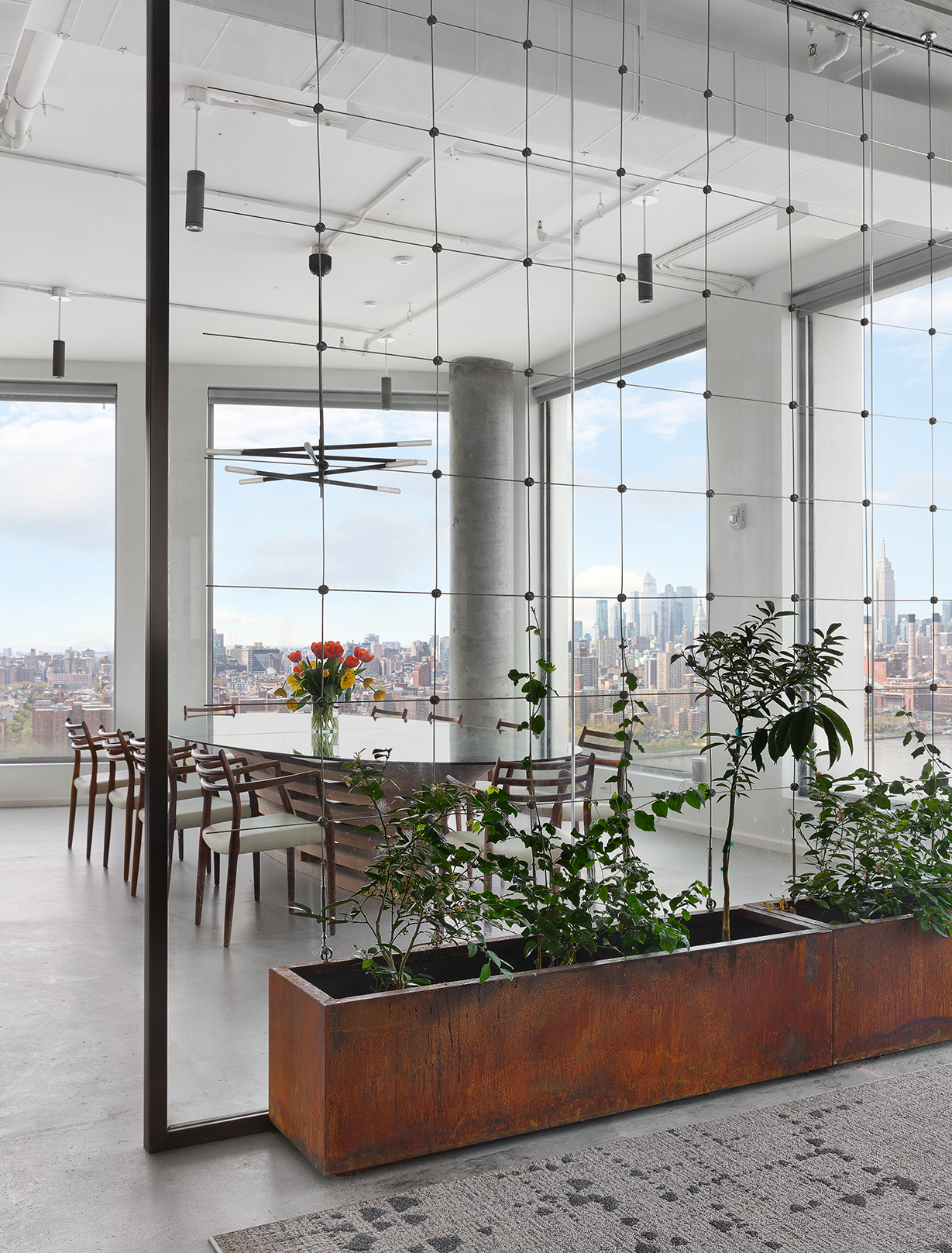
Use transparent materials and natural sightlines to promote openness while still giving people space to think:
- Glass partitions that maintain visual connection
- Indoor plant clusters between work zones
- Layouts that encourage natural human flow
5. Monitor and Adapt Based on Real Use
Post-occupancy evaluations with data help you maintain what’s working and fix what isn’t:
- Space utilization tracking to see what gets used
- Environmental sensors for light, noise, air quality
- Regular employee feedback to catch problems early
The Business Impact of Getting This Right
When you invest in burnout-resistant design, you’re not just being nice—you’re being smart:
| Impact Area | What You Gain |
| Retention | Keep your best people instead of training replacements |
| Engagement | Higher discretionary effort and proactive problem-solving |
| Productivity | Fewer errors, more creative solutions, faster decisions |
| Talent Attraction | Competitive edge in recruiting top performers |
| Healthcare Costs | Lower burnout-related sick days and stress claims |
The Bottom Line: Your Choice Matters More Than You Think
Your office design isn’t just about aesthetics or impressing clients—it’s about whether you’re setting your team up to succeed or setting them up to burn out. Every design choice either supports human performance or undermines it.
The cost of getting this wrong isn’t just lower productivity—it’s losing your best people to companies that actually care about their well-being. But when you get it right, you create an environment where people can do their best work, feel genuinely supported, and want to stick around for the long haul.
Burnout isn’t inevitable. Through informed, research-backed design, you can empower your team to thrive, think clearly, and feel energized every single day. The choice is yours, and it’s more powerful than you think.
Ready to save your employees? Let’s discuss how these techniques can improve employee health and your bottom line. Contact us today
Frequently Asked Questions
Office design prevents burnout by reducing environmental stressors like poor lighting, excessive noise, and lack of personal control. Strategic workplace wellness design creates spaces that support natural energy rhythms, provide mental recovery opportunities, and give employees autonomy over their environment. When your office works with human biology instead of against it, people experience less stress, better focus, and sustained energy throughout the day.
Office design trends that prevent burnout include task-based zones for different work types, biophilic elements that reduce stress hormones, flexible layouts that give employees control, and wellness-focused spaces for mental recovery. The key is moving from one-size-fits-all to anticipatory, engaging design that earns every commute. Modern offices need diverse spaces for collaboration, deep focus, creative brainstorming, and mental restoration.
The most effective burnout prevention design solutions include creating diverse zones for different cognitive tasks (focus pods, collaboration areas, creative spaces), incorporating natural elements and maximizing daylight, providing personal environmental control (adjustable lighting, temperature, acoustics), designing quiet recovery spaces where employees can mentally recharge, and ensuring acoustic comfort to reduce cognitive overload.
Start with assessment: use the Monday Morning Test and gather employee feedback about current pain points. Document your biggest challenges (noise? lack of focus space? poor lighting?). If your lease is expiring soon, connect with design professionals now—12-18 months ahead gives you time to plan properly. If you’re staying in your current space, identify quick wins you can implement immediately (better lighting, acoustic solutions, adding plants) while planning more comprehensive changes. Focus on giving people control, creating diverse work zones, and incorporating natural elements—these deliver the biggest burnout prevention impact.